BECOMING
TALLAGHT 2025
PHOTOGRAPHY
ARCHIVE

Priory Pansy by Austin Hearne
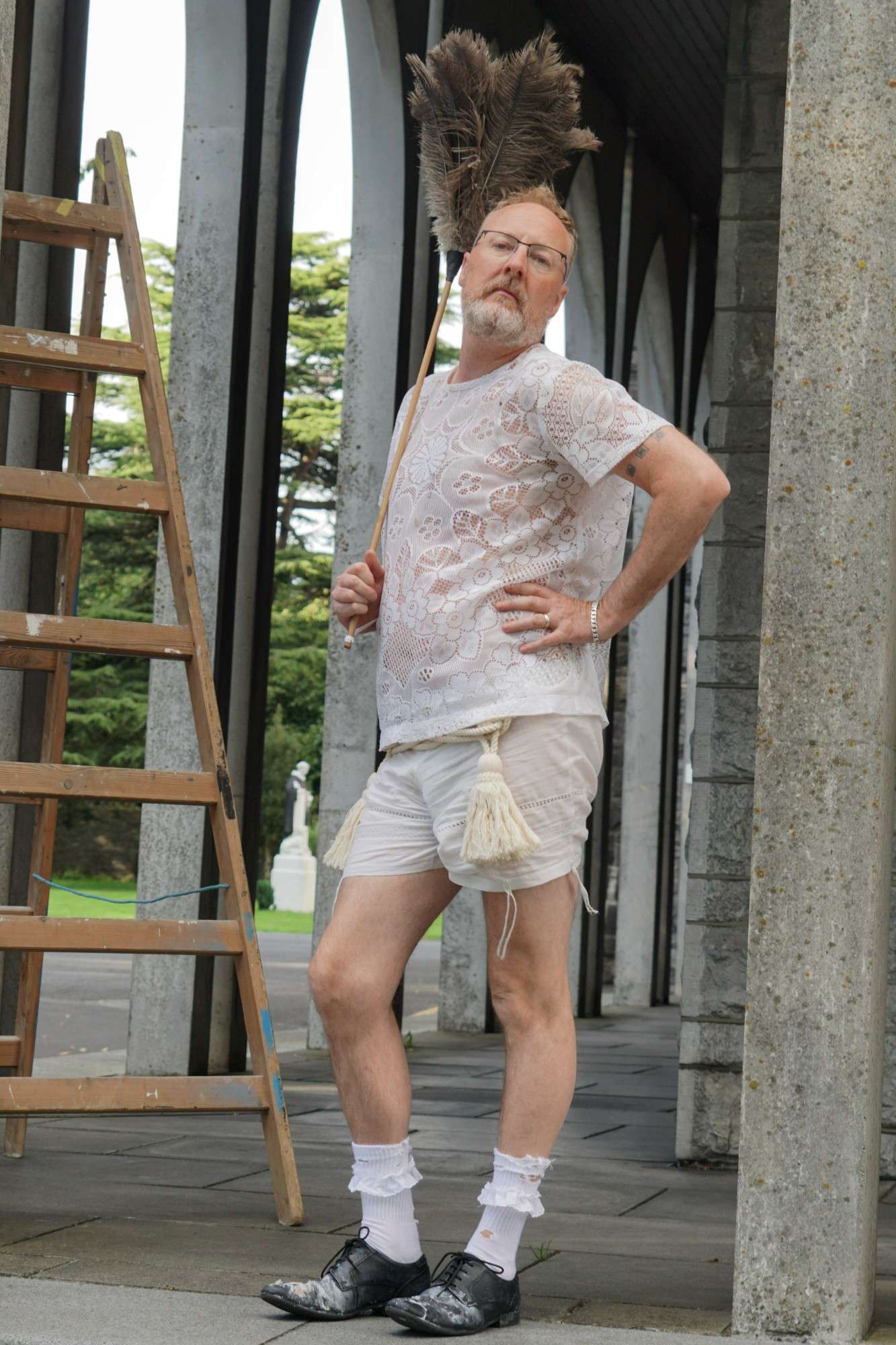
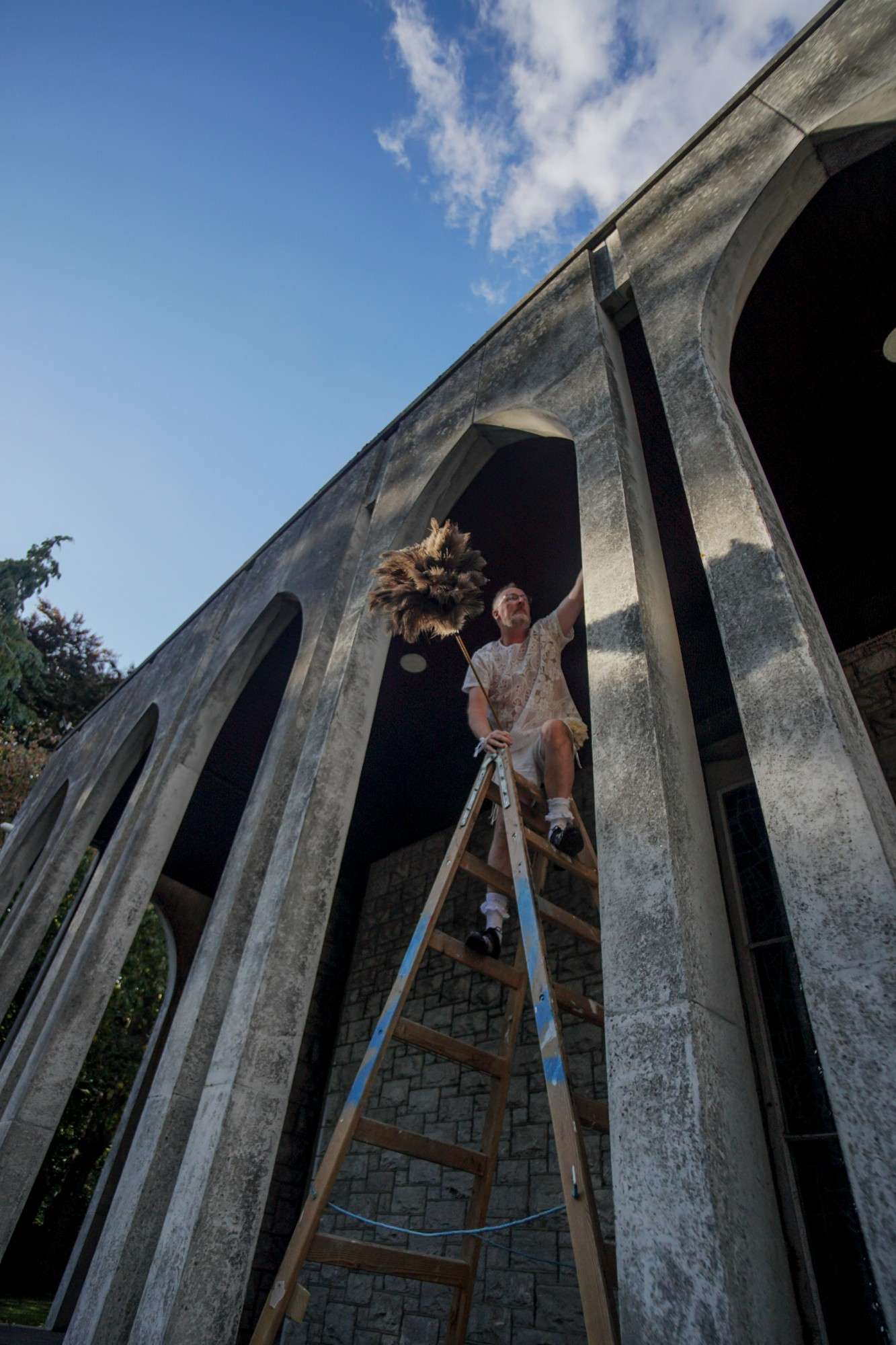
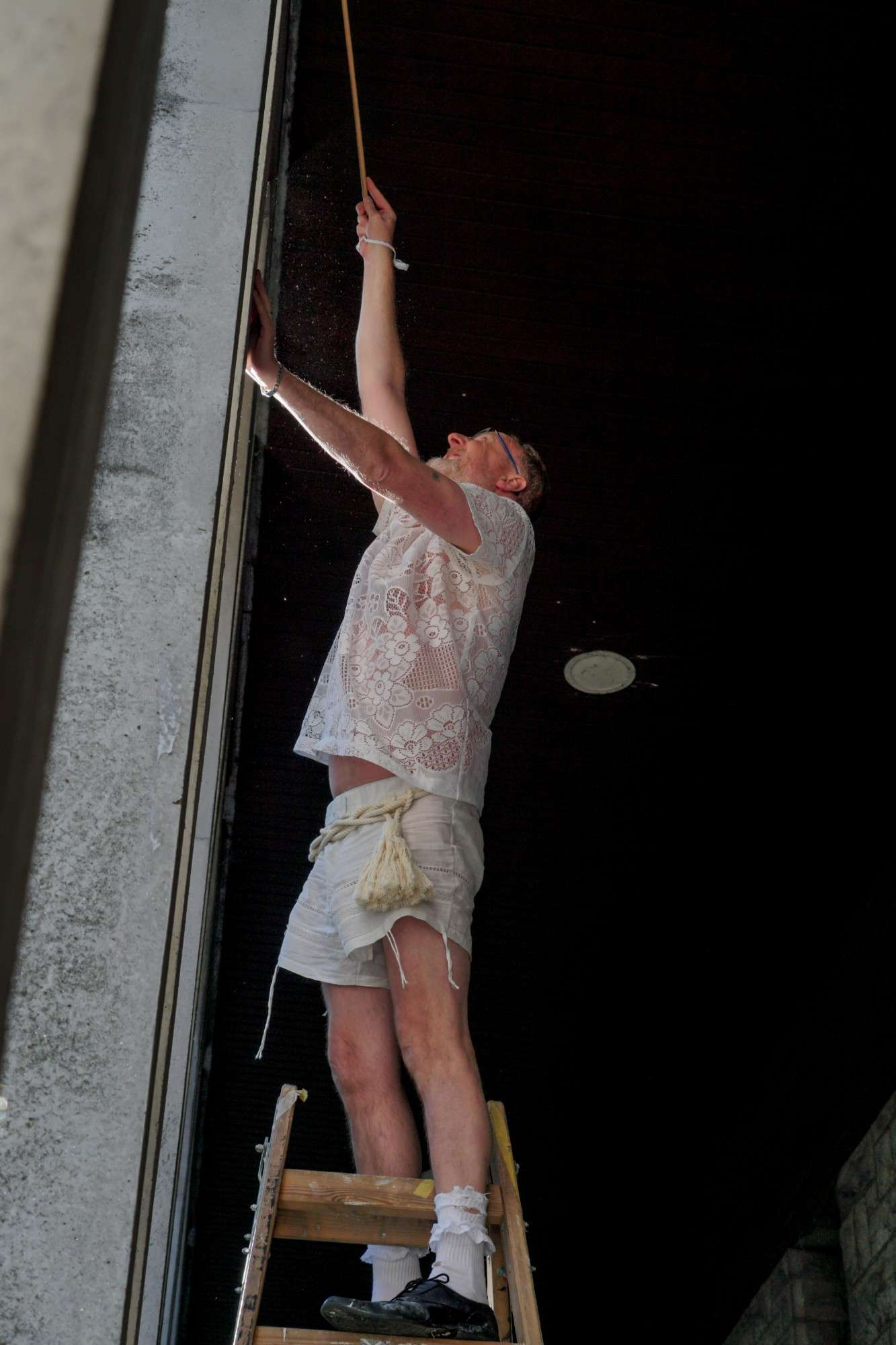
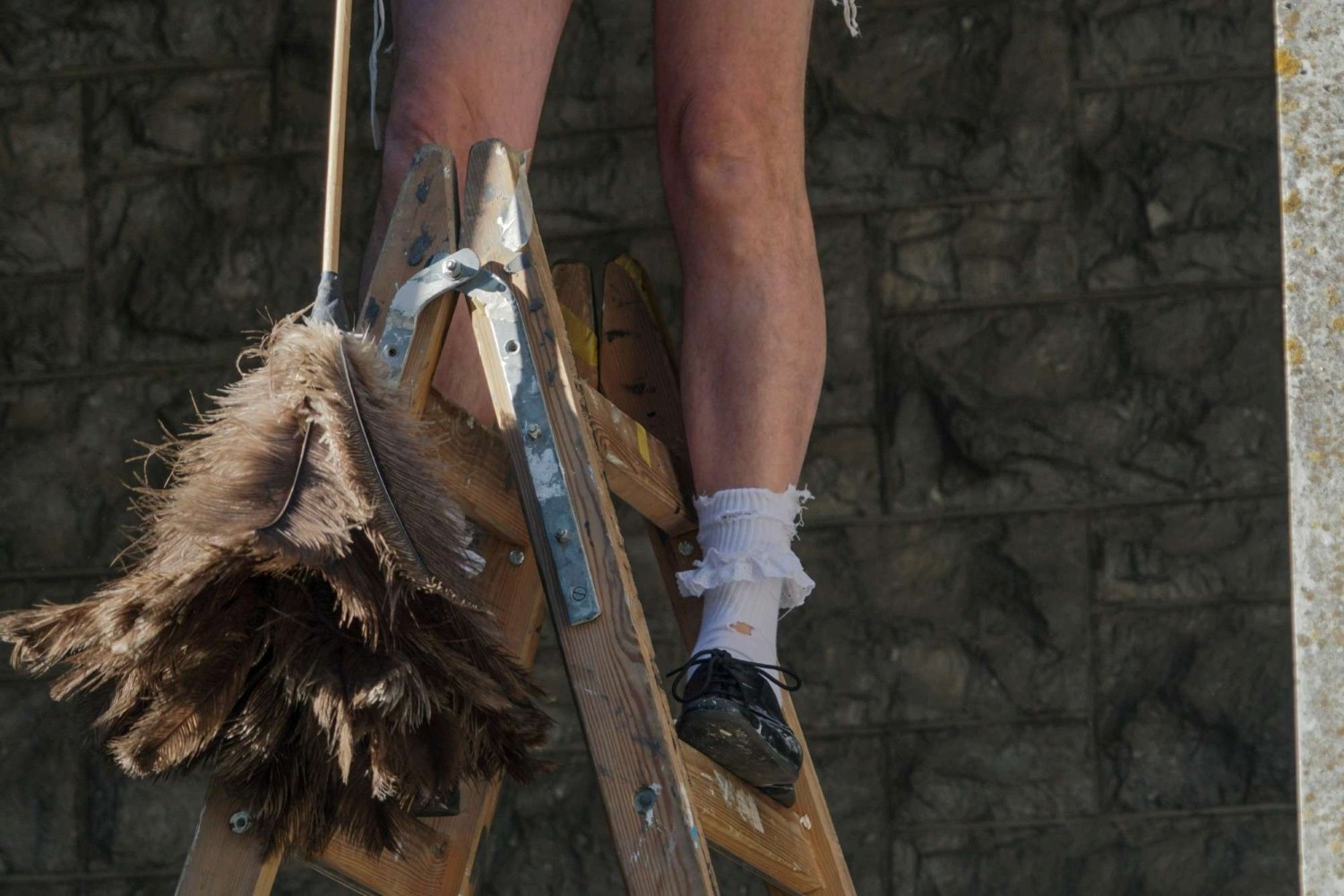
- Oh dear Tallaght Priory, your brutal 1970s concrete arches loom over the new families of husbands, wives and the many children that make up this growing townland. Behind you, frock-clad men spew forth twisted ideas about women, the family, sexual morality, contraception, abortion and homosexuality. My peachy baby head was dowsed with holy water over your baptismal font in 1973. I didn’t ask to become a member of your rotten organisation, and I have no recourse to leave. So 52 years later, I’m back to prance and dust away cobwebs from your concrete arches like the big pansy that you abhor. This is, after all, my church.
Hot Air by EL Putnam
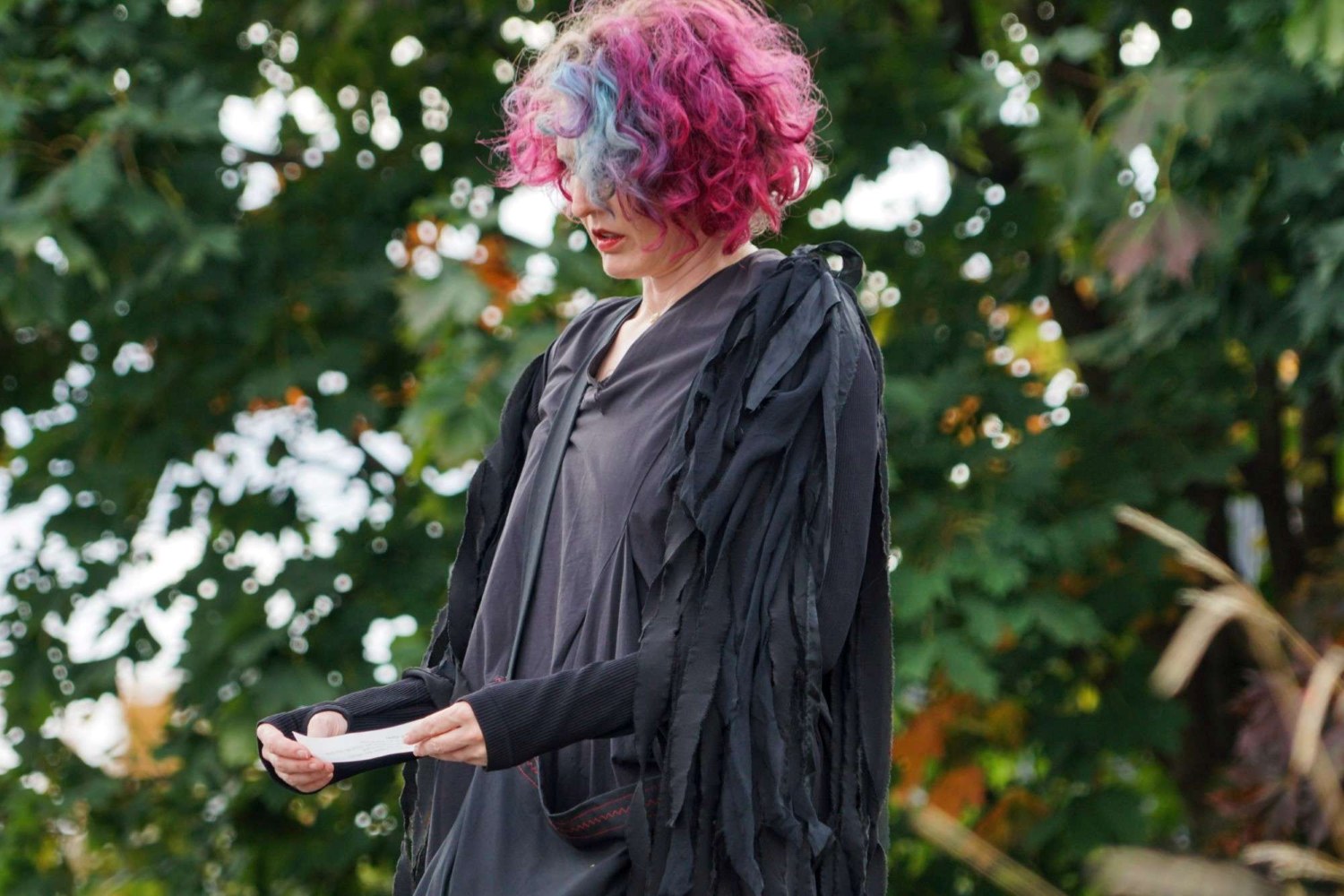
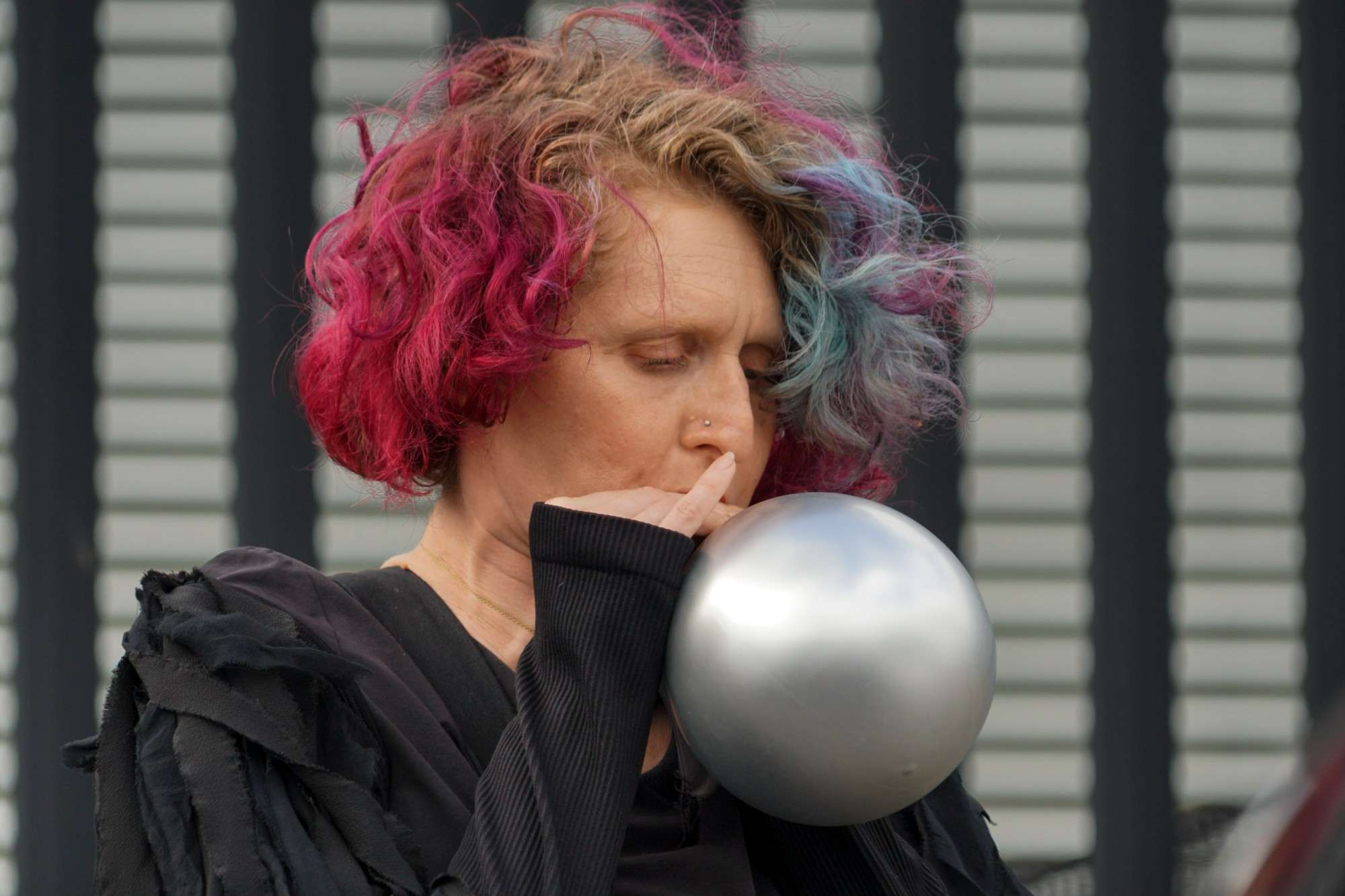
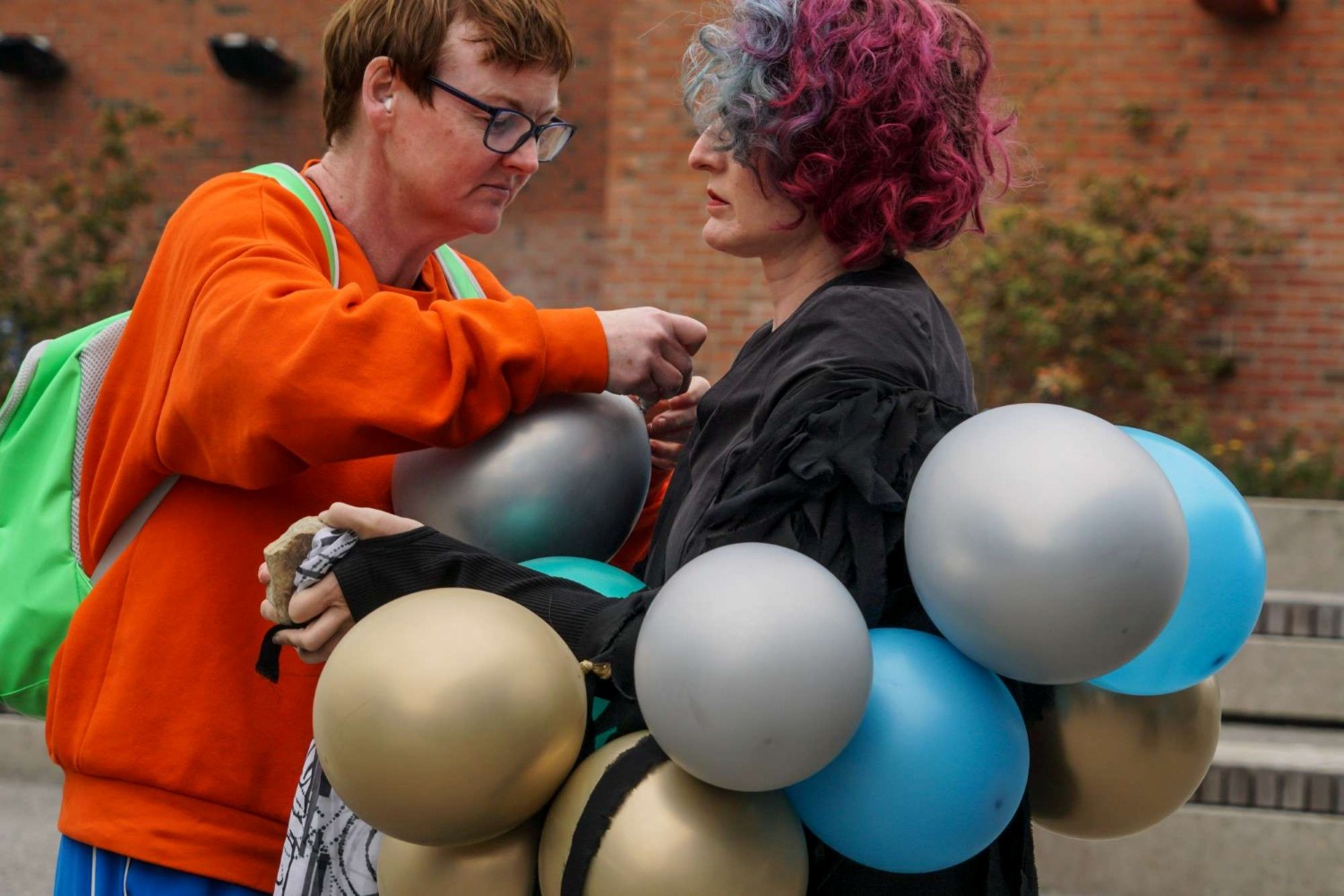
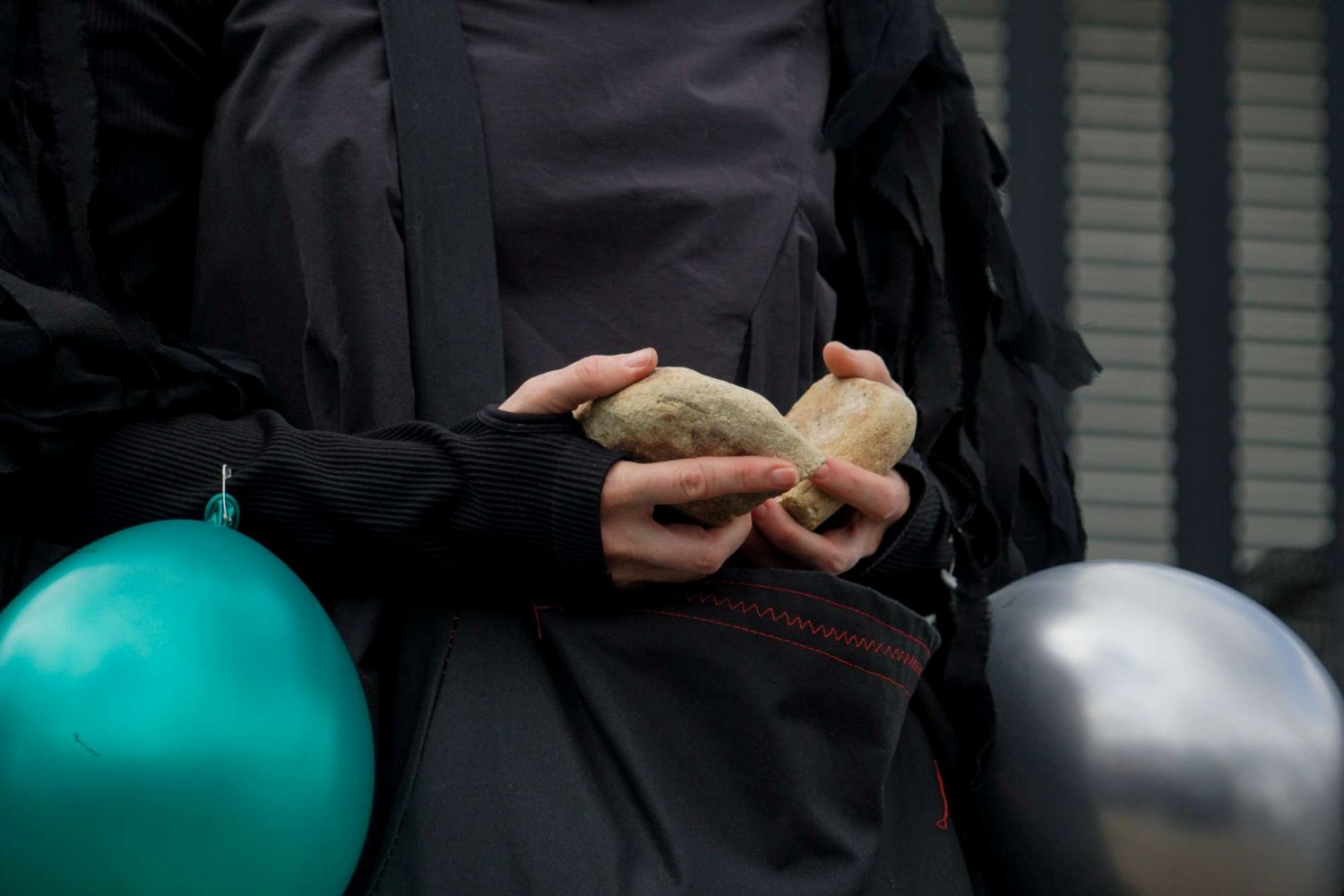
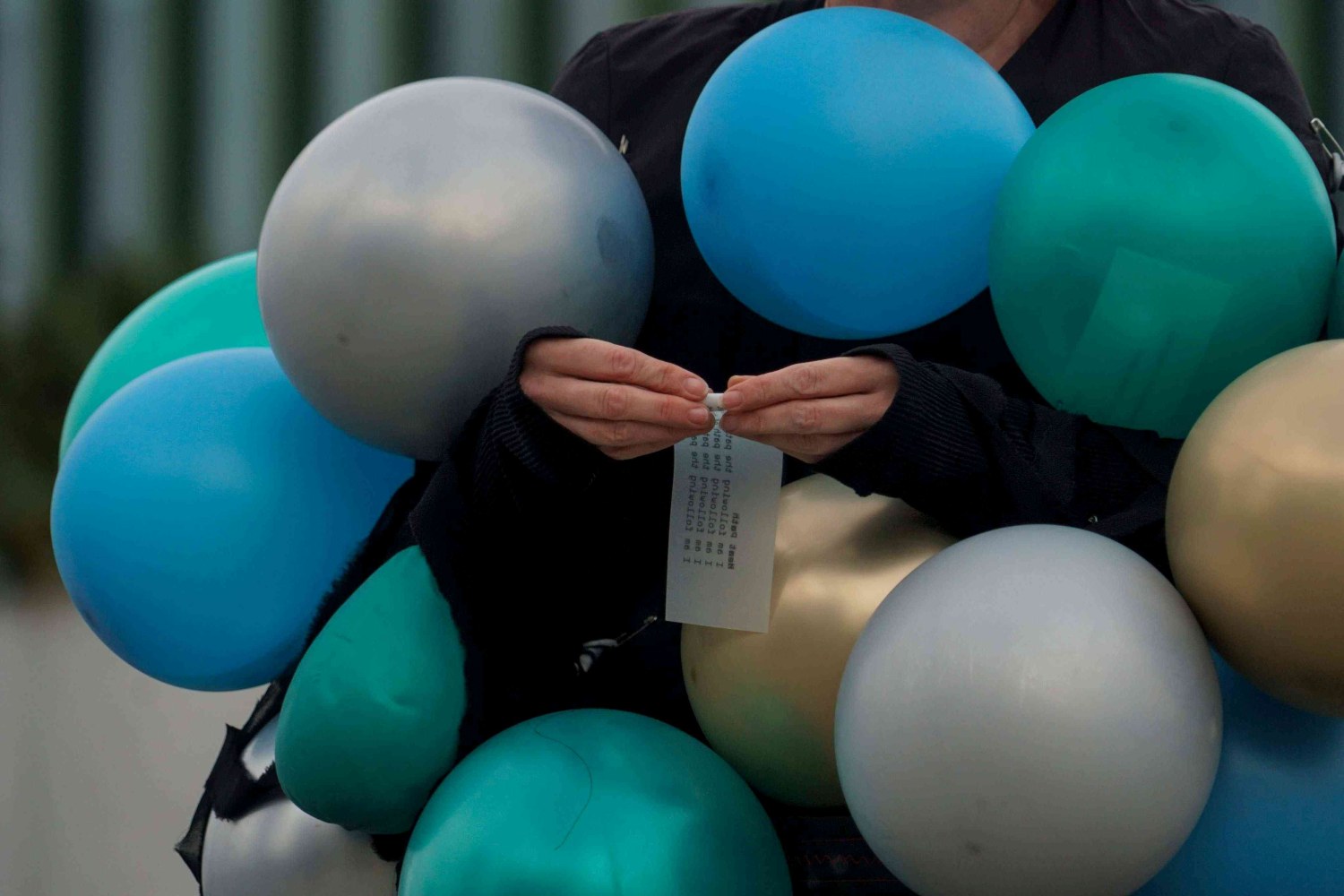
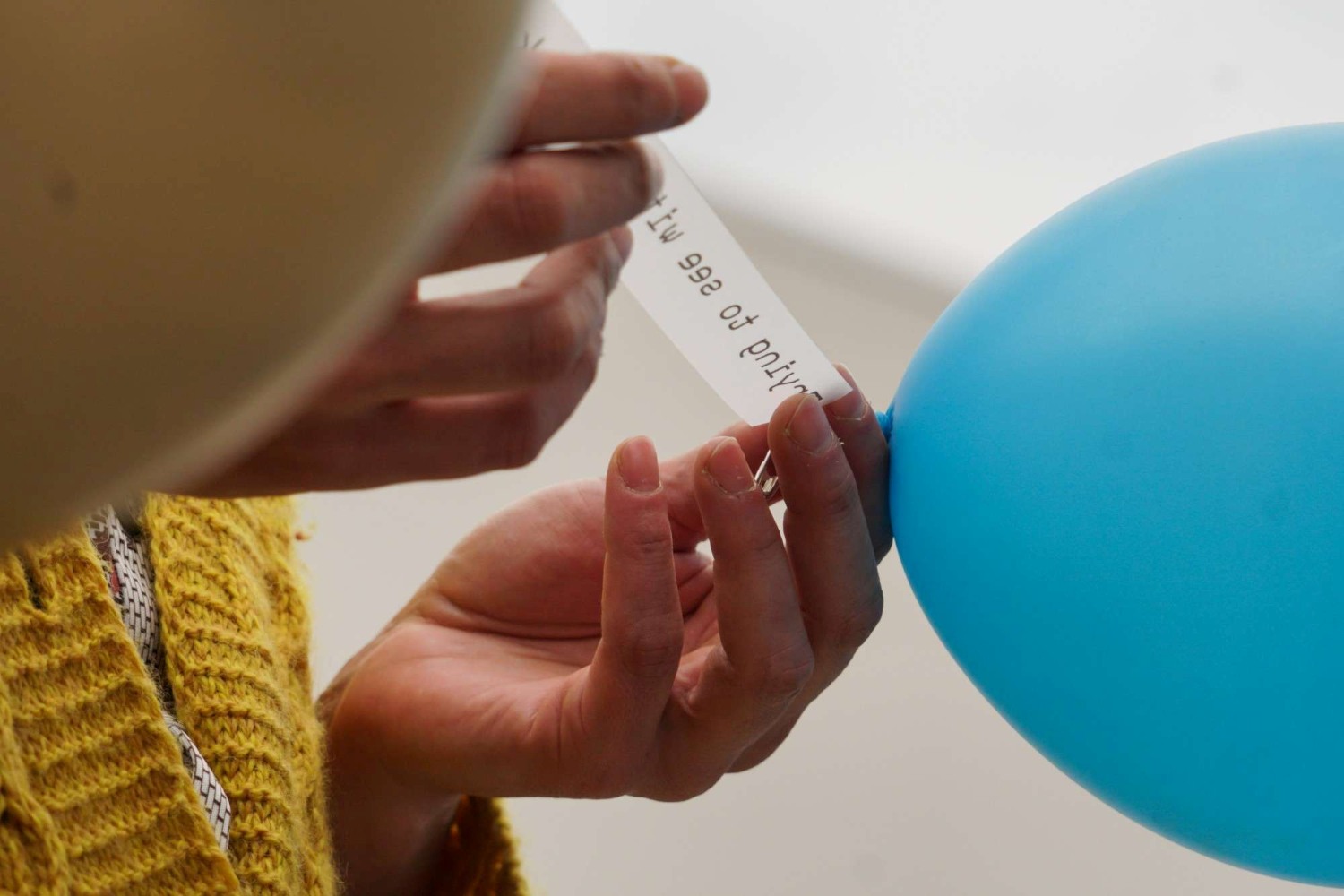
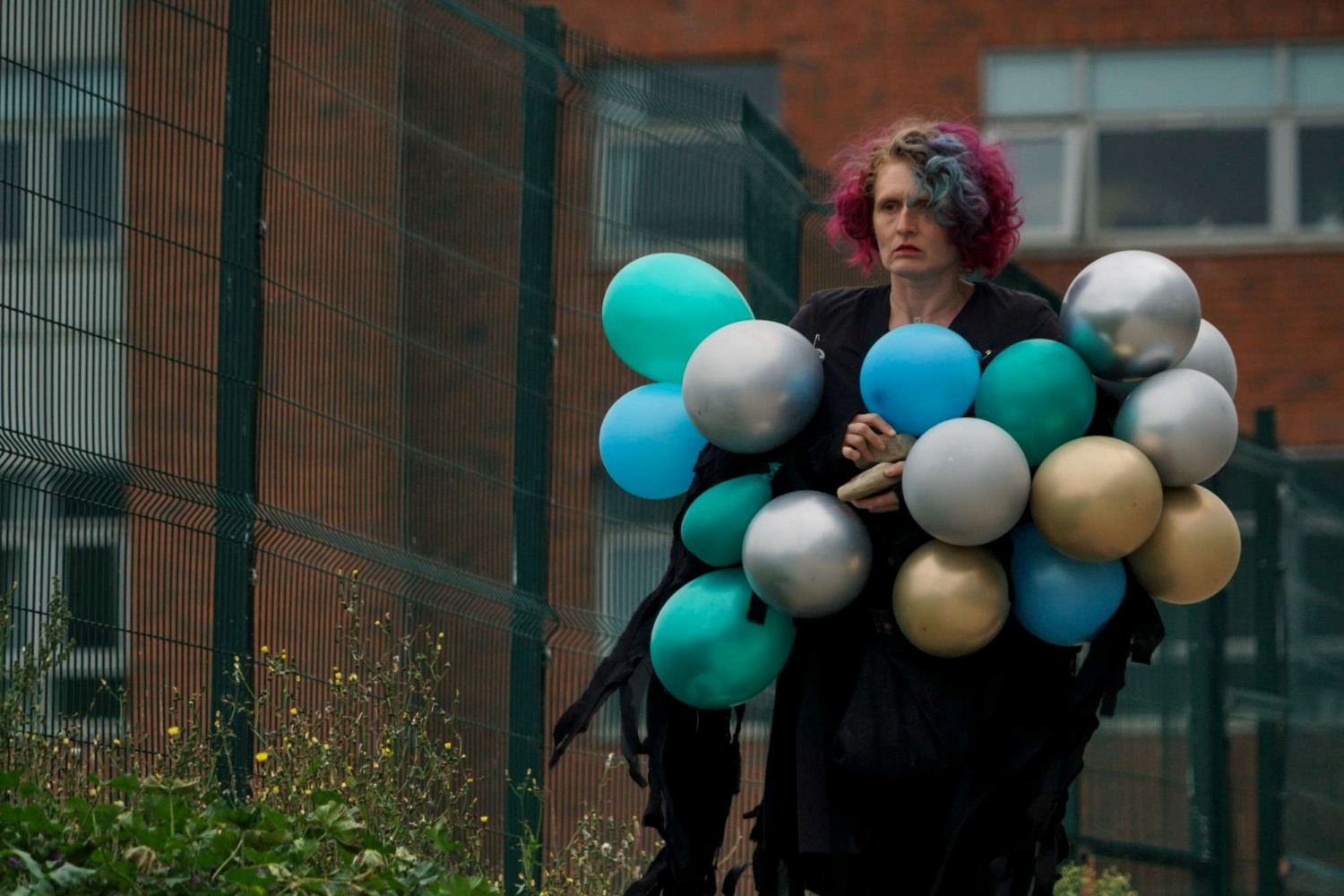
- We give them data–they give us hot air.
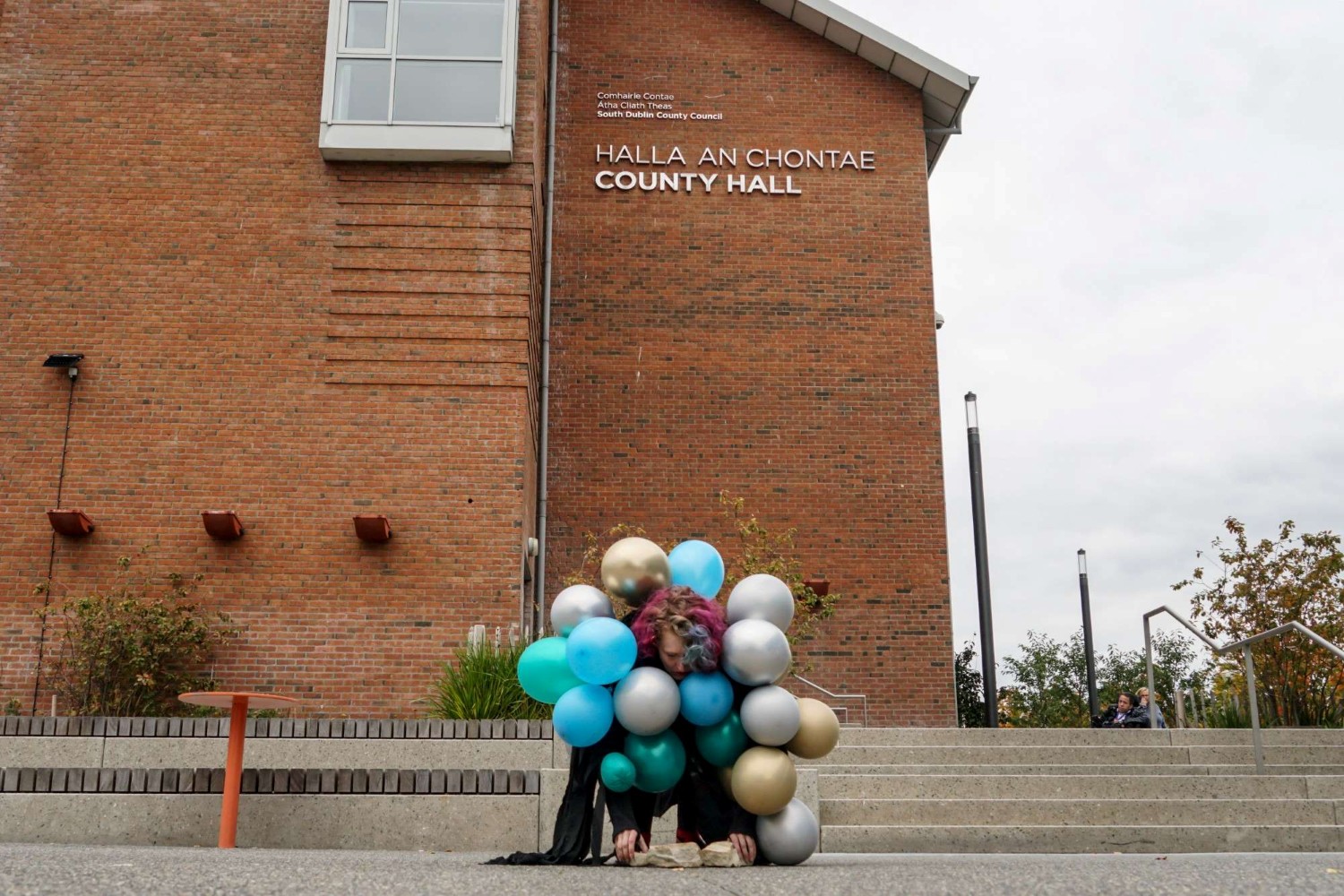
Terra is an android technological diviner who has been hired to map the route of heat produced from the AWS data center through the public utility system that is used to warm select municipal buildings in Tallaght. Her embodied actions create a double tracing through footsteps and collected breaths; bodily rhythms keeping pace with machinic tempos. The performance culminates in a Ritual of Tracing to be presented outside the South Dublin County offices.
Hot Air asks what happens when we attune ourselves to the invisible flows of our computational infrastructures, drawing attention to our unacknowledged entanglements and complicities with these systems.
This performance is part of an ongoing collaboration between Putnam and author Mike McCormack, initially presented as Under the Feet of Shadows, which merges science fiction with folklore, imagined and actual mythologies, and histories of technology in Ireland as a multimedia speculative inquiry.
Thresh / Hold by Emma Brennan
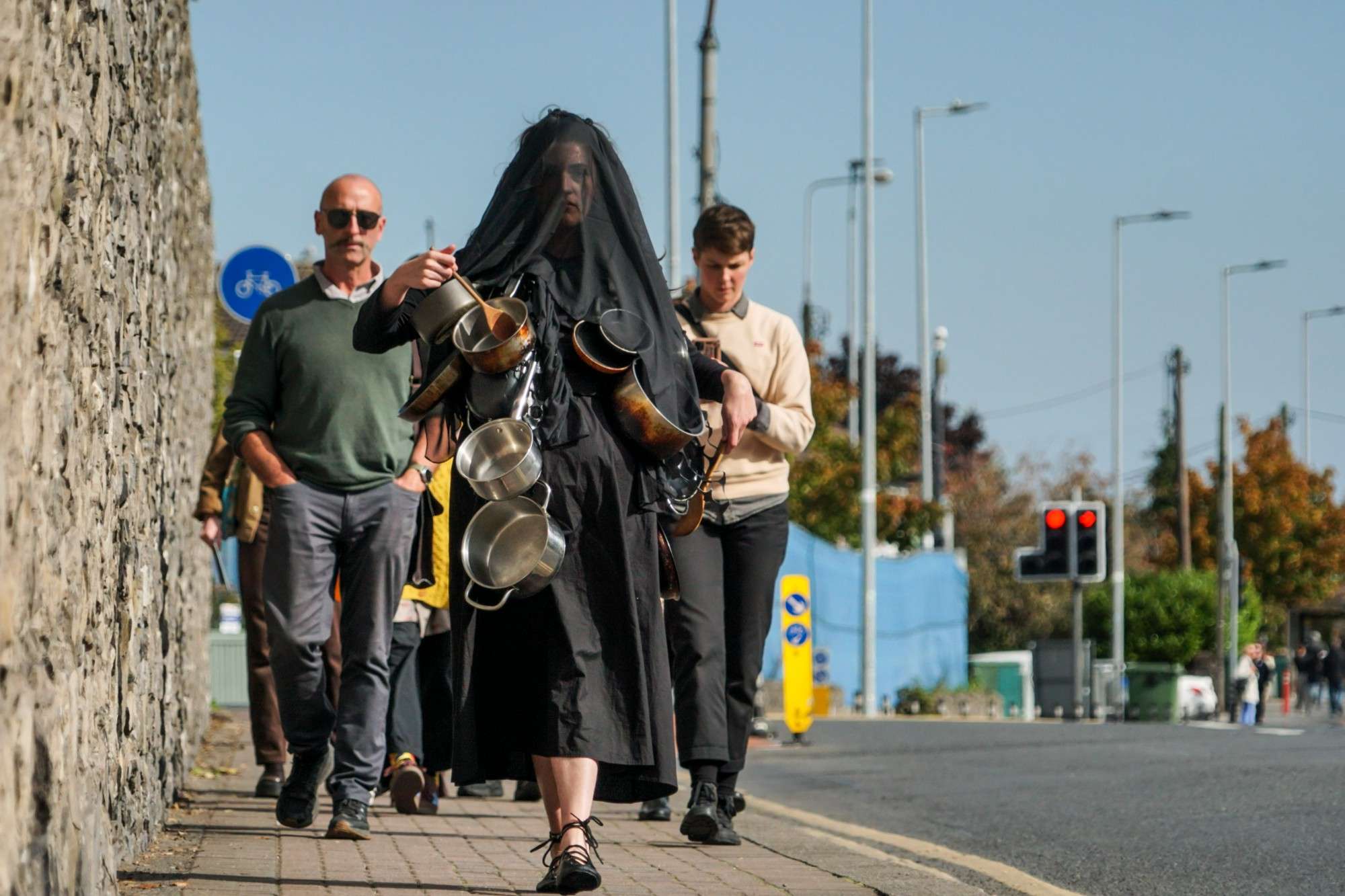
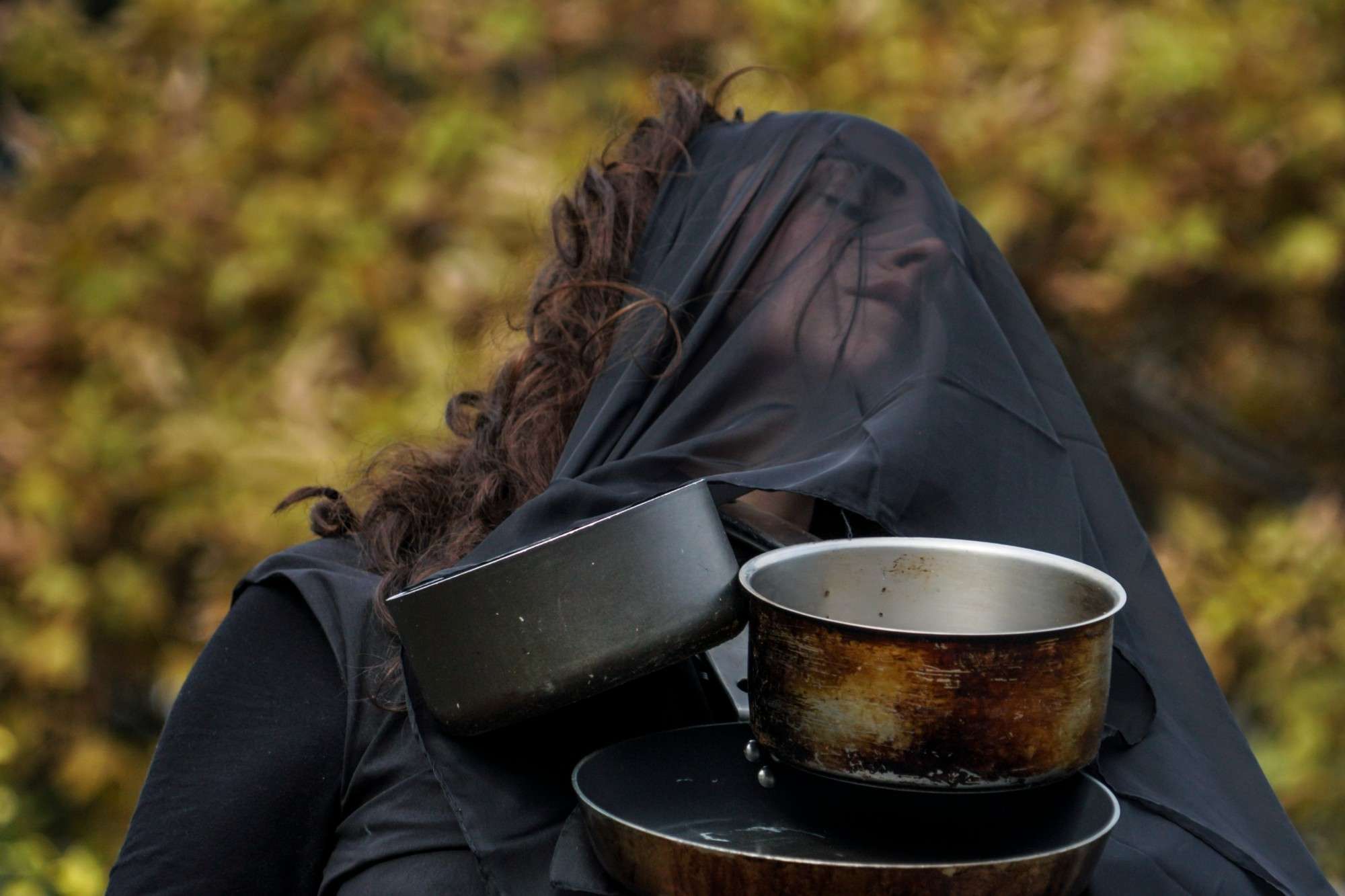
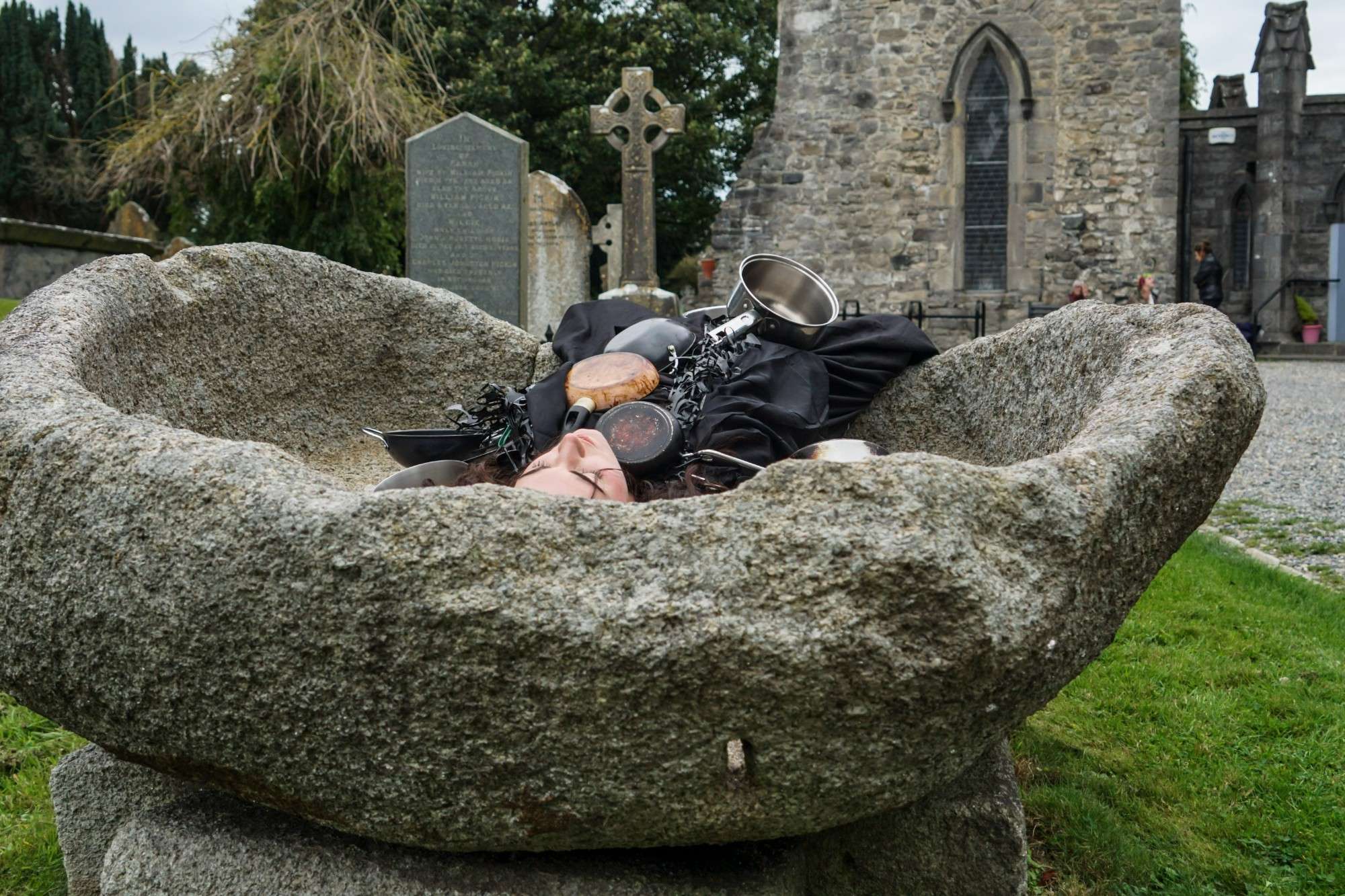
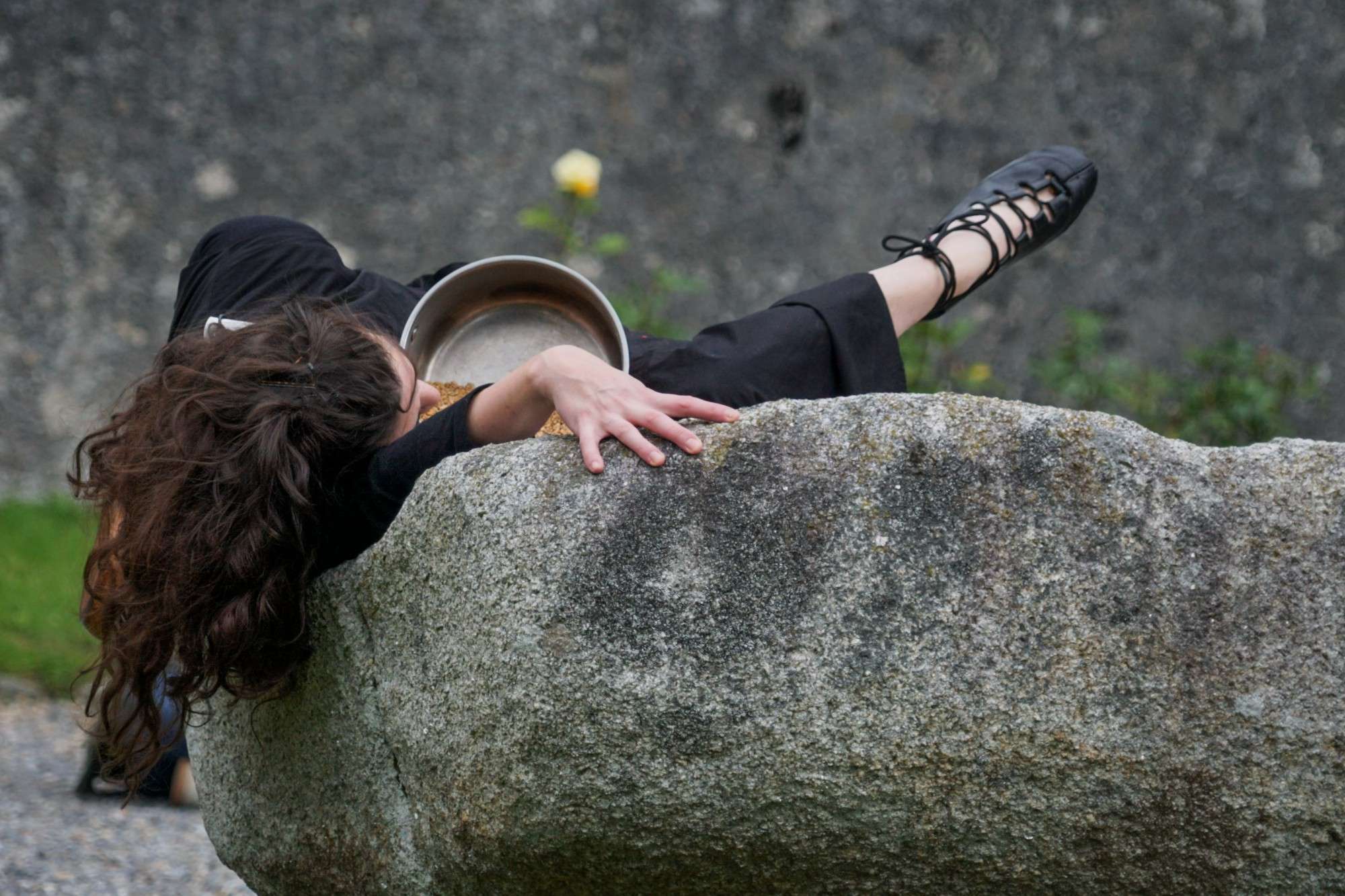
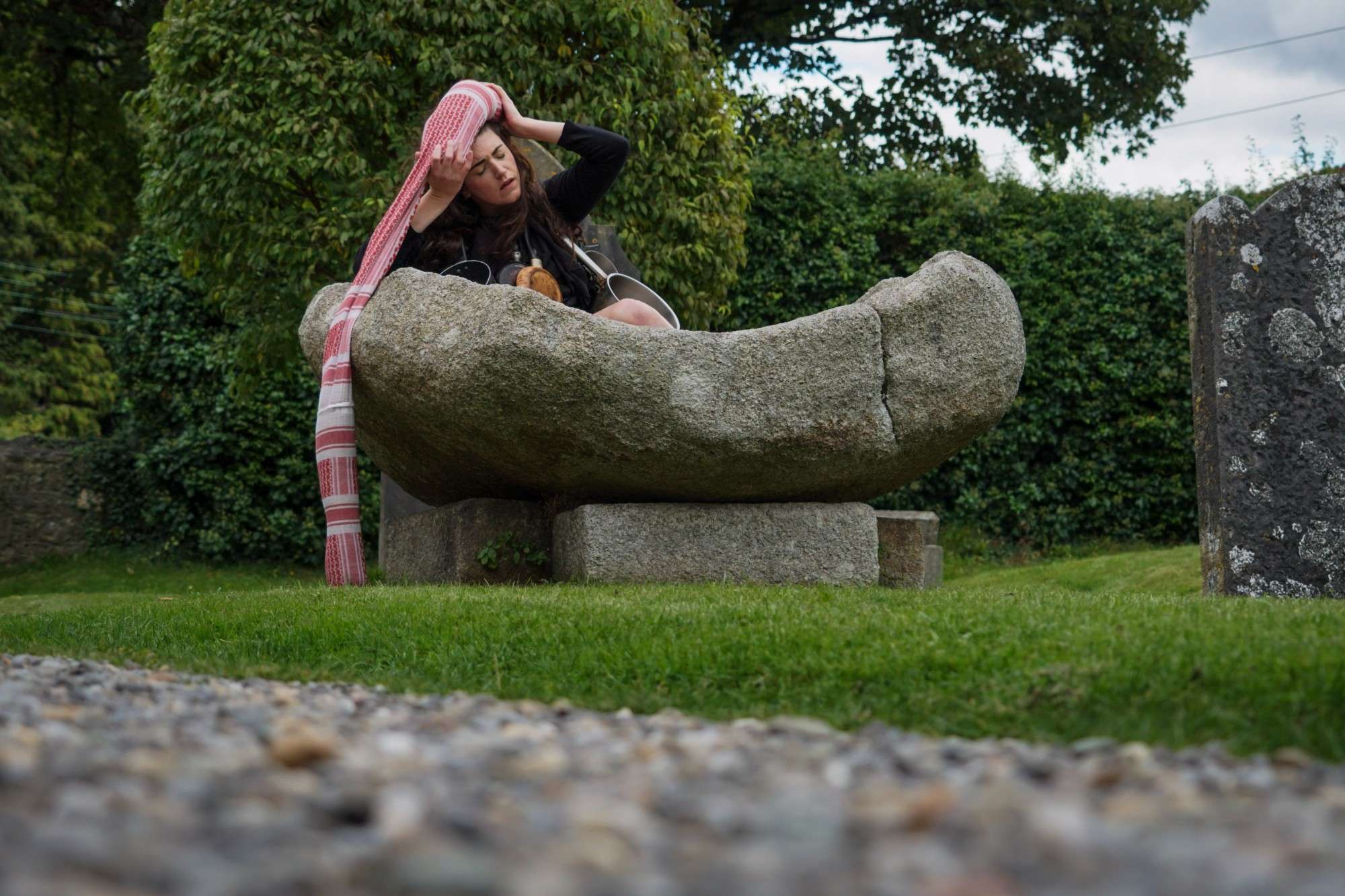
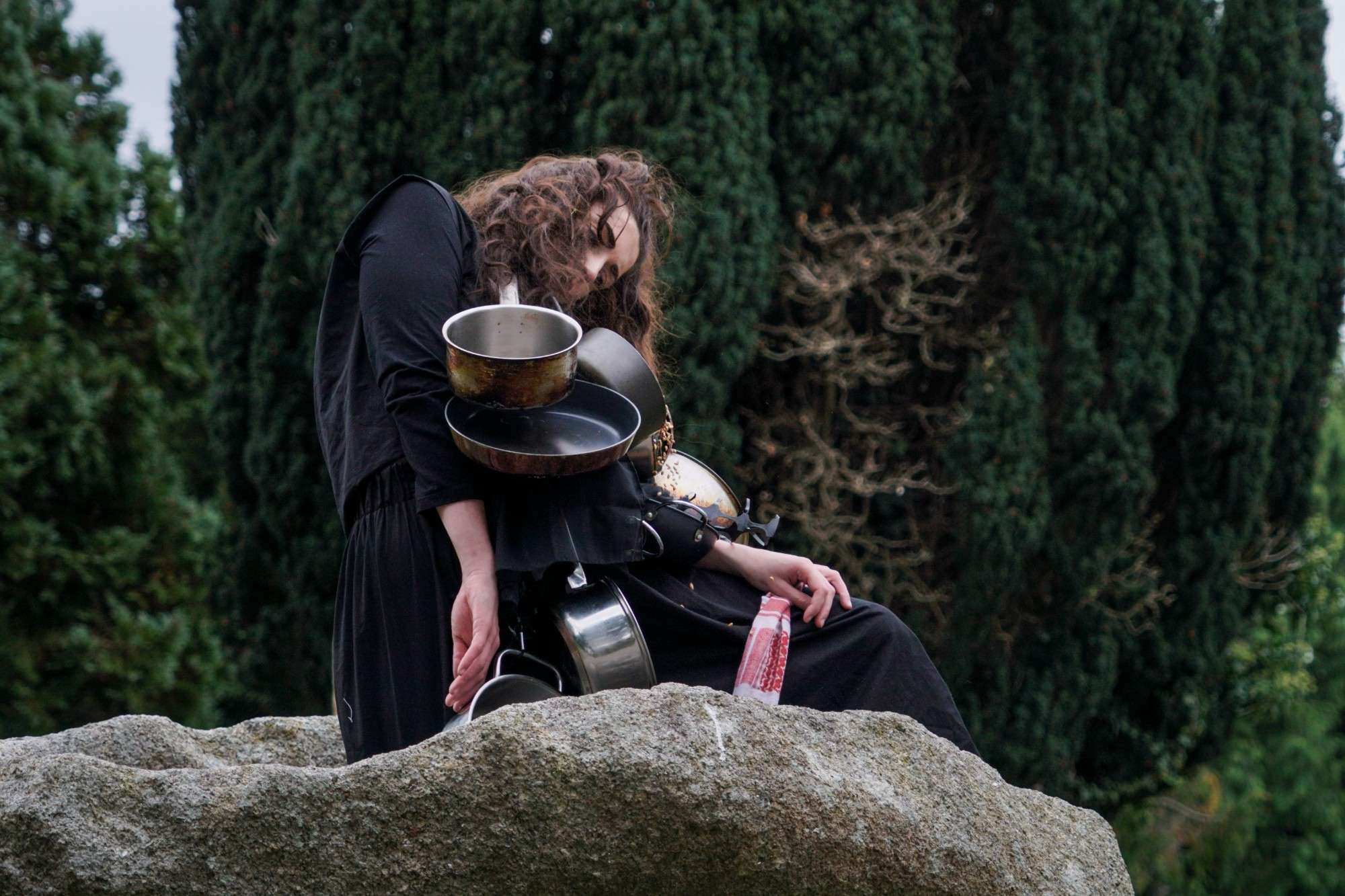
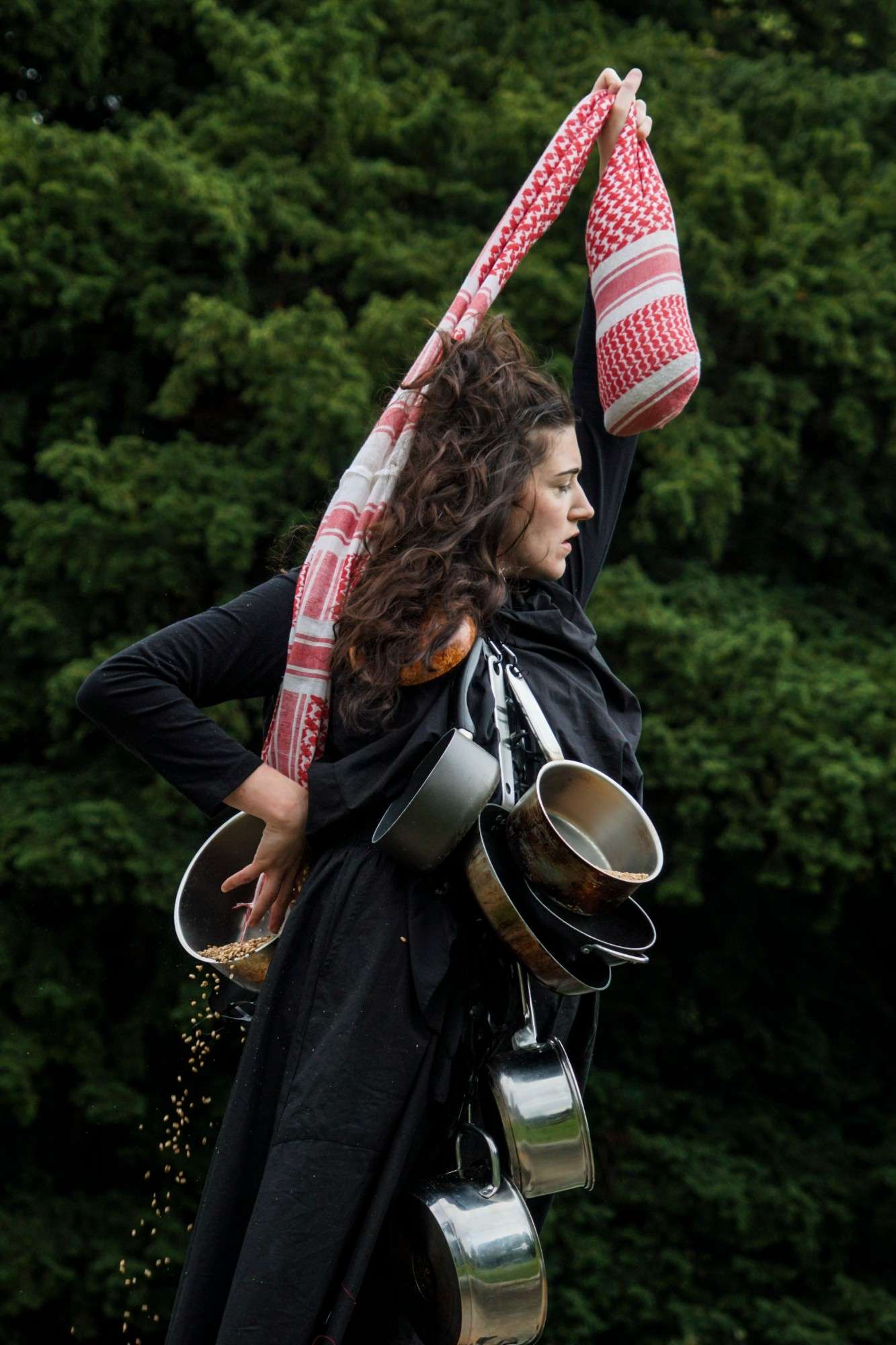
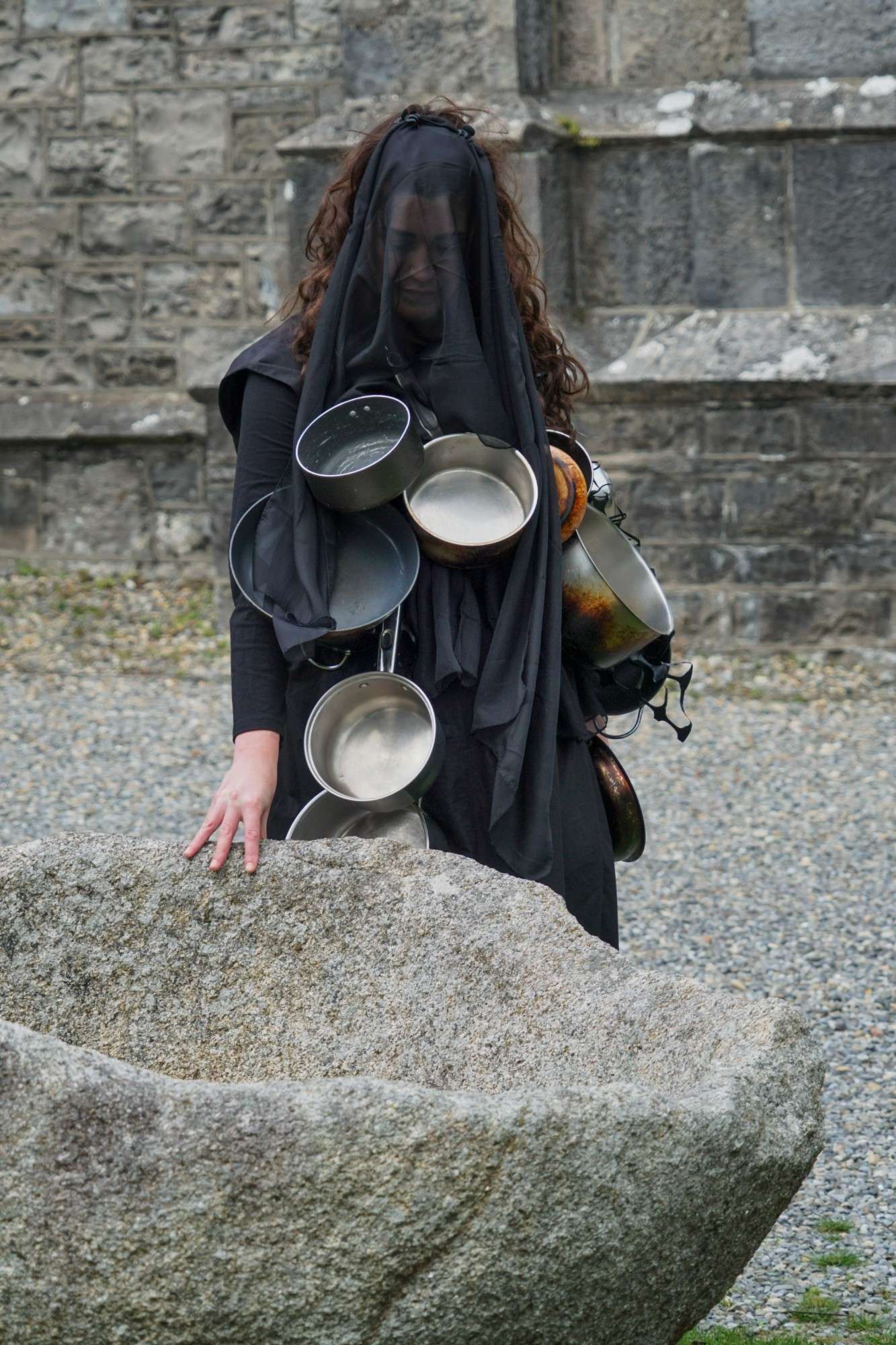
- Thresh/Hold is a site-responsive performance rooted in the grotesque as a methodology of excavation, disruption, and transformation. Set within the Losset at St. Maelruain’s Church, the work stages a charged encounter between Tallaght-born poets Katharine Tynan and Alice Furlong. Through live action, text, and ritual, it explores entangled legacies of empire, faith, land, and gendered voice.
The performance draws a sharp contrast between Tynan’s Palestine: 1917 and Furlong’s The Warnings. The friction between the two becomes a way to confront ongoing histories of erasure. The Losset once a vessel of communal sustenance, becomes altar, protest, and threshold. This performance act is an embodied gesture of resistance and solidarity, calling attention to what is being omitted in our histories, our present narratives and our potential future records.
Mother Load by Katherine Nolan
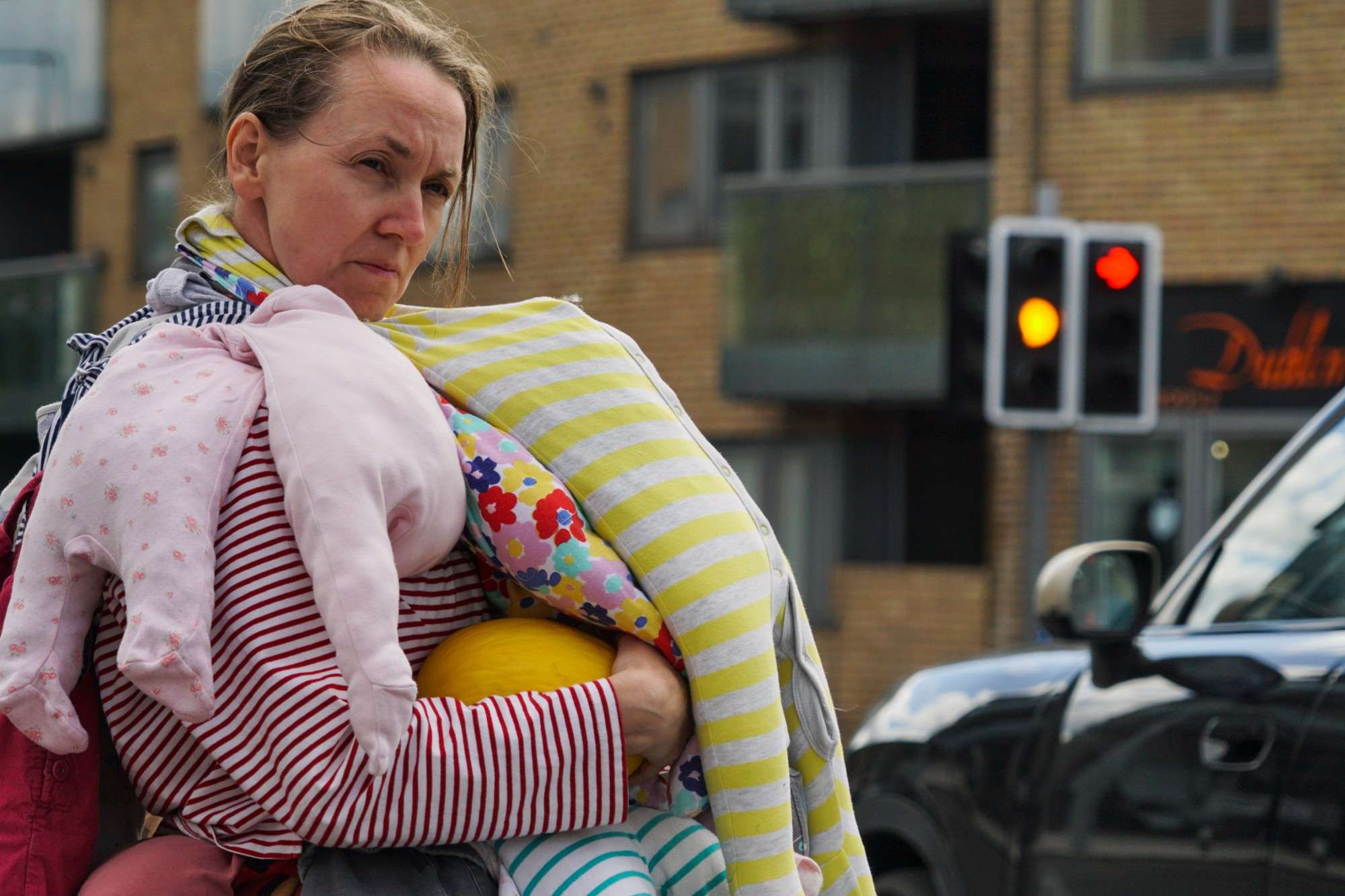
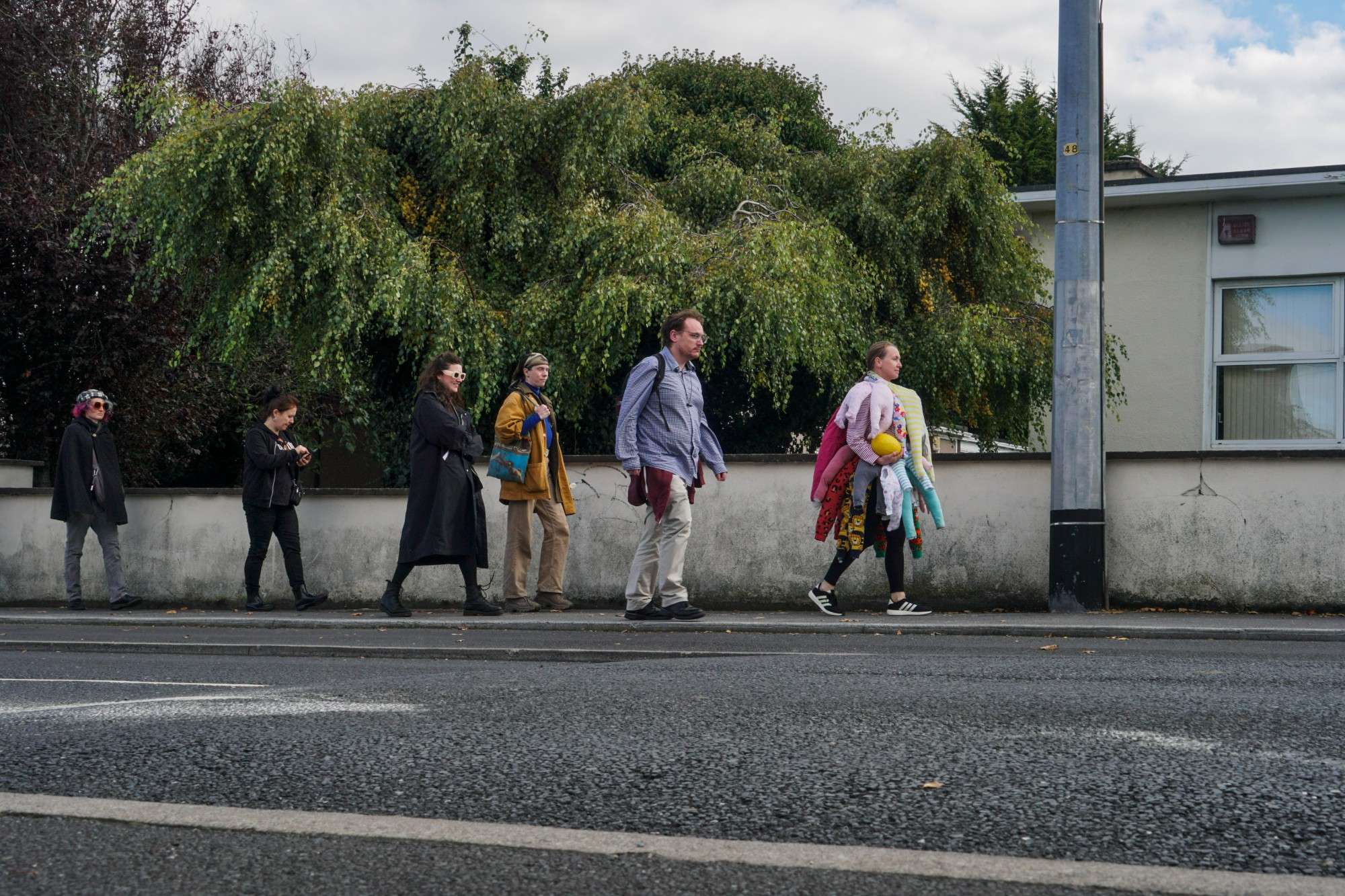
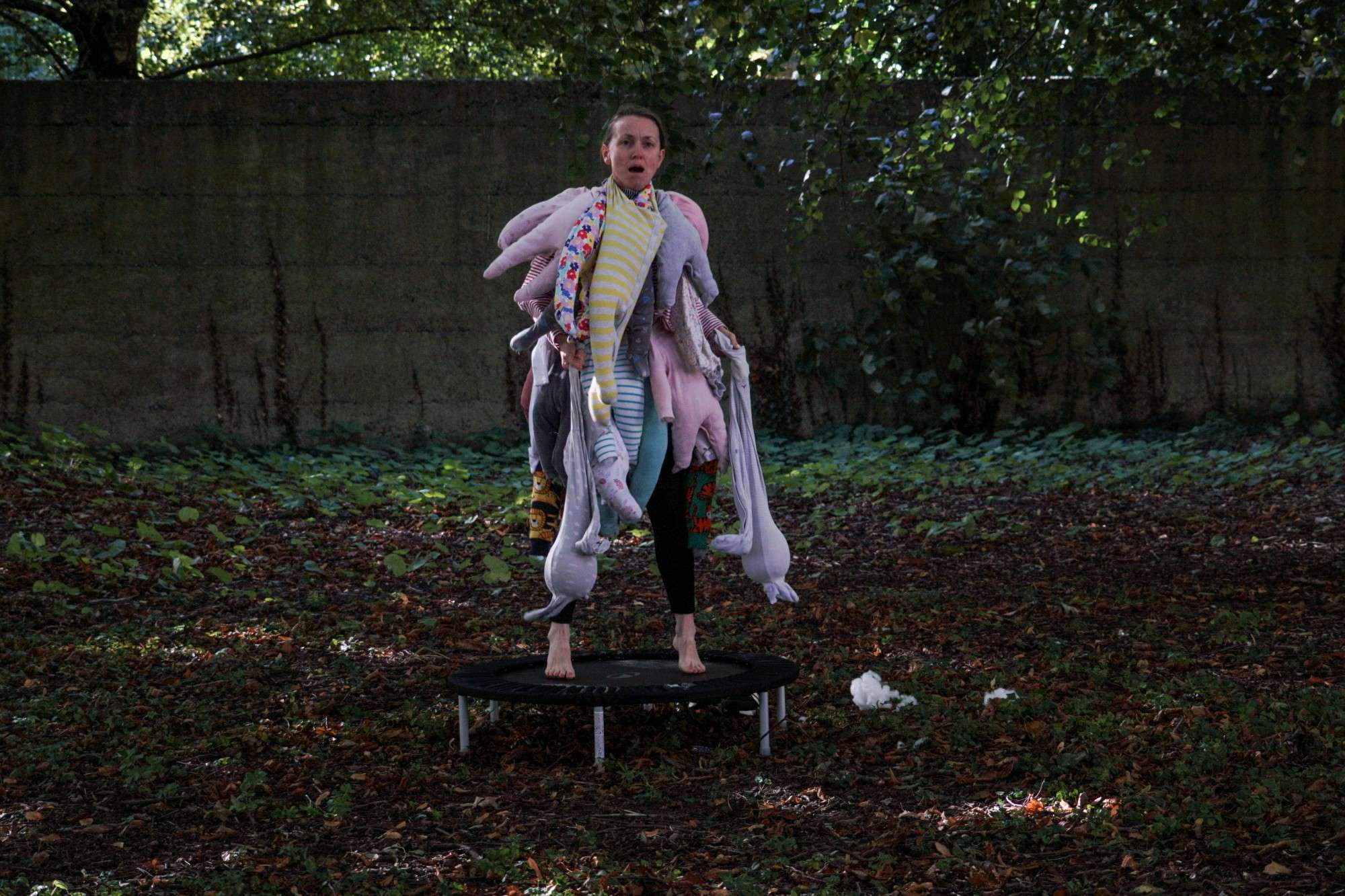
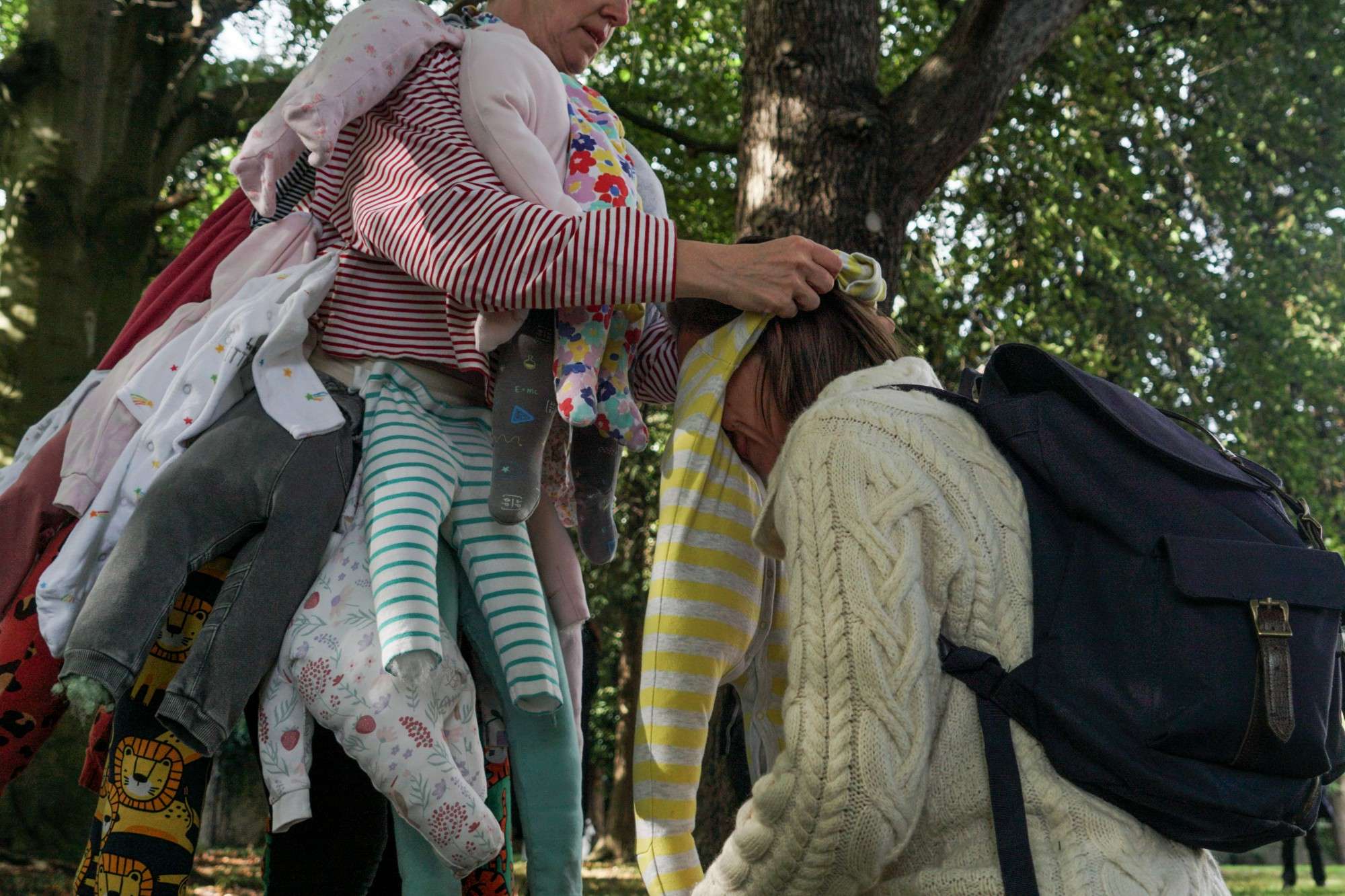
- A mother walks through Tallaght village, laden down with little bodies, their arms clutching at her neck and legs dangling as she moves. Both visceral and absurd, this performance asks viewers to consider what it is like to bear the weight of care. Mothers' bare bodies in their bodies, sometimes those bodies are lost or never come into being, sometimes mothers are unable to nourish the bodies they are tasked with caring for. The physical and emotional burden can be at times unbearable, and yet invisible. The
Mother Load makes the weight of motherhood visible, in all its burden, messiness and absurdity. Travelling from the mundanity of the supermarket, this performance drags motherhood through the streets to the elevated heights of the arches at St. Mary’s Priory.
Audience members can choose to bring and donate an object of their relationship to motherhood if they wish: a baby grow outworn or one never worn, something sullied, something precious – if it’s hard to let go, the Mother Load will bear the weight for you.
Geographies of Grief by Mariya Hoyin
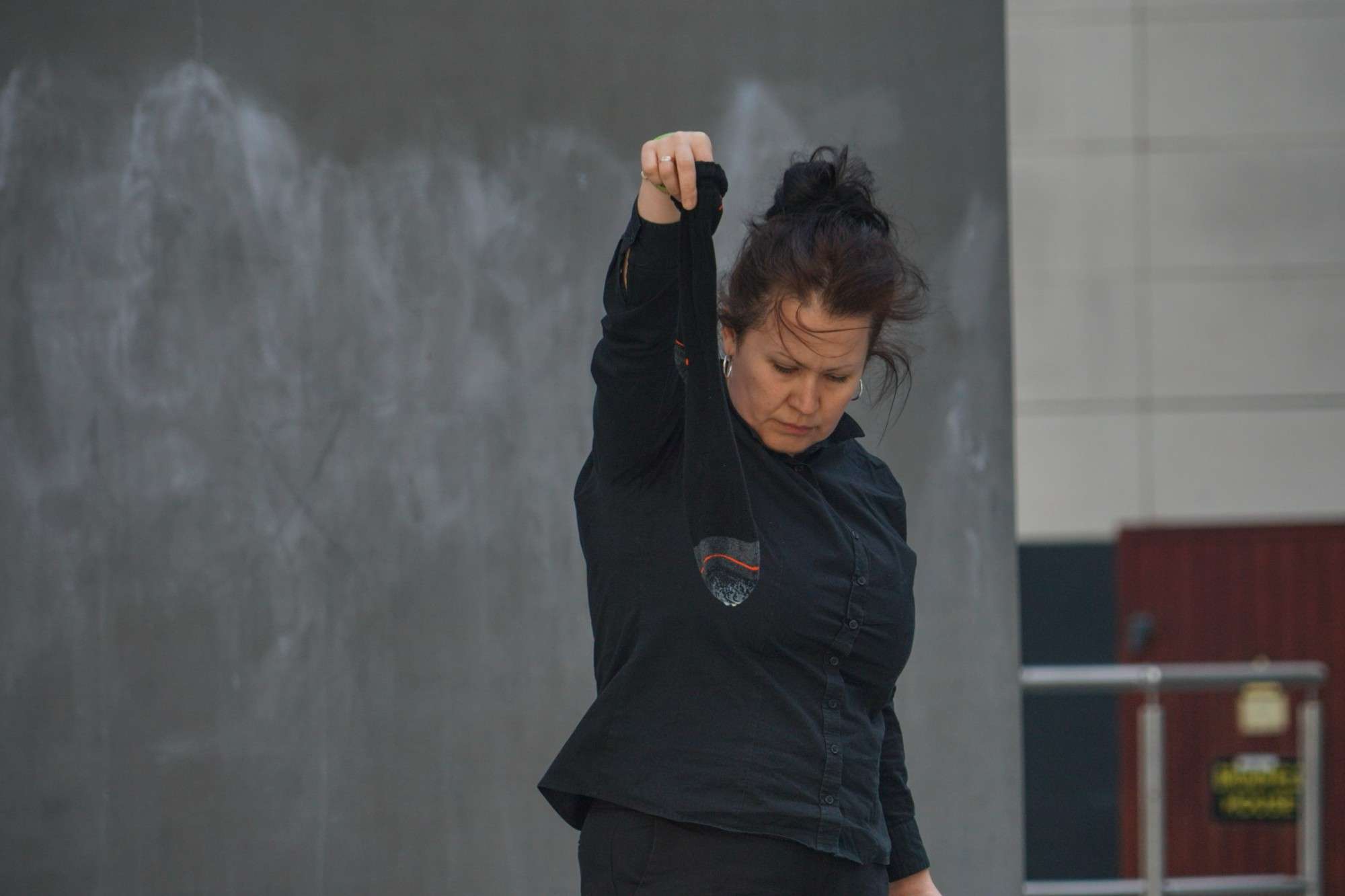
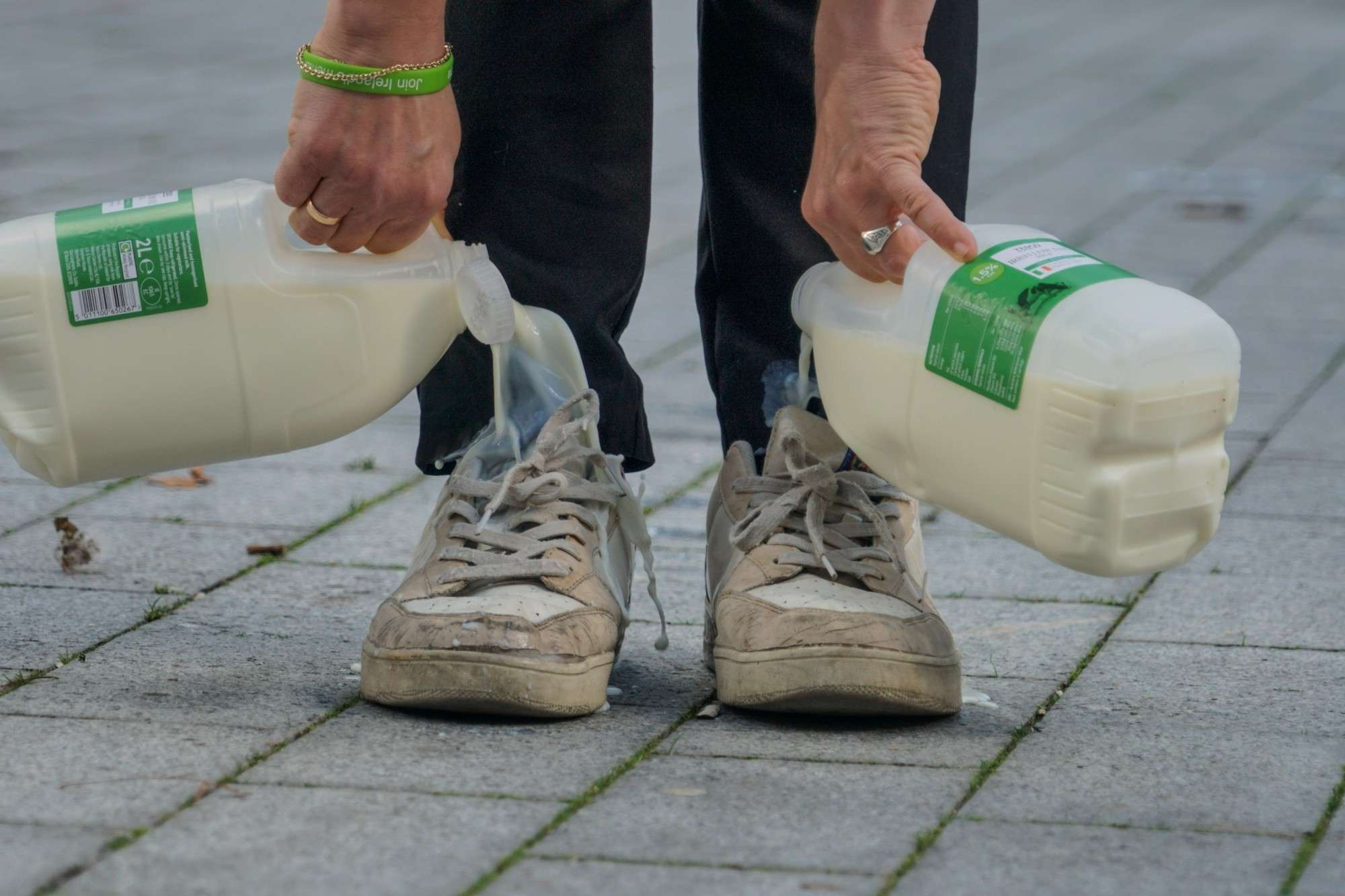
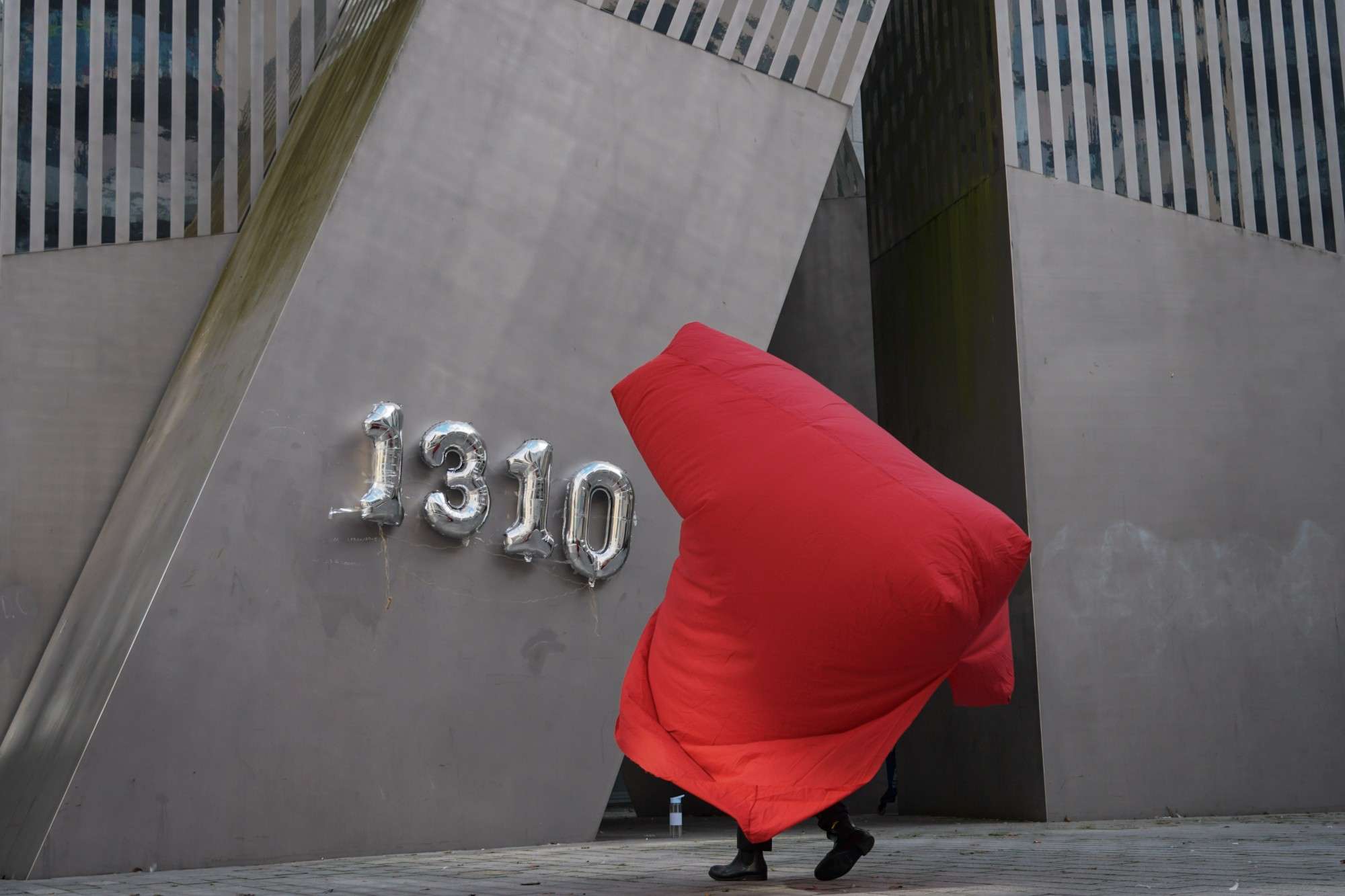
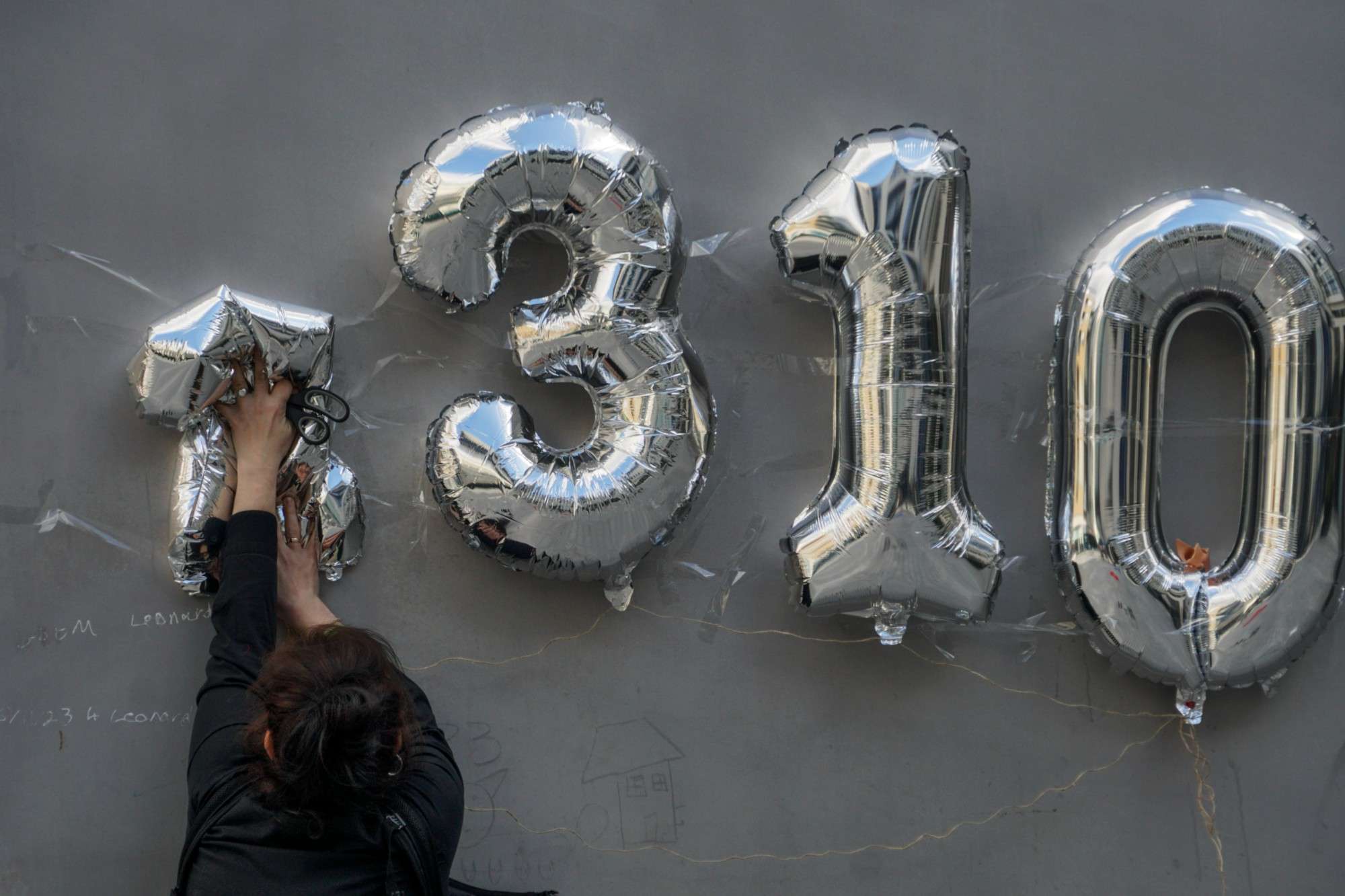
- In exploring the history of the name Tallaght, I discovered its Old Irish roots, meaning “a place of burial” or “a high grave.” Its etymology is stark: one part linked to death, contagion, and impurity; the other to stones, monuments, and remembrance. These weighty, archetypal associations connect deeply with my reflections on the war in Ukraine; now in its eleventh year, including seven years of hybrid conflict and over three years of full-scale invasion. This war is about loss and suffering, about bodies that no longer breathe and hearts that struggle to trust. It is about scars — visible and invisible — etched into the body of a nation, into memory, language, and the architecture of silence.
My performance seeks to bring together the visible and the invisible, to show how war imprints itself on cities and on the human body. It lingers in the cracks of buildings, in inner fractures, in memories that disturb sleep, and in silence that echoes across generations. This silence is not emptiness, but the roar of pain without words. Performance as memory. An archaeology of suffering. Ecocide. The ethics of presence.
Borderline Project by Shiro Masayuma
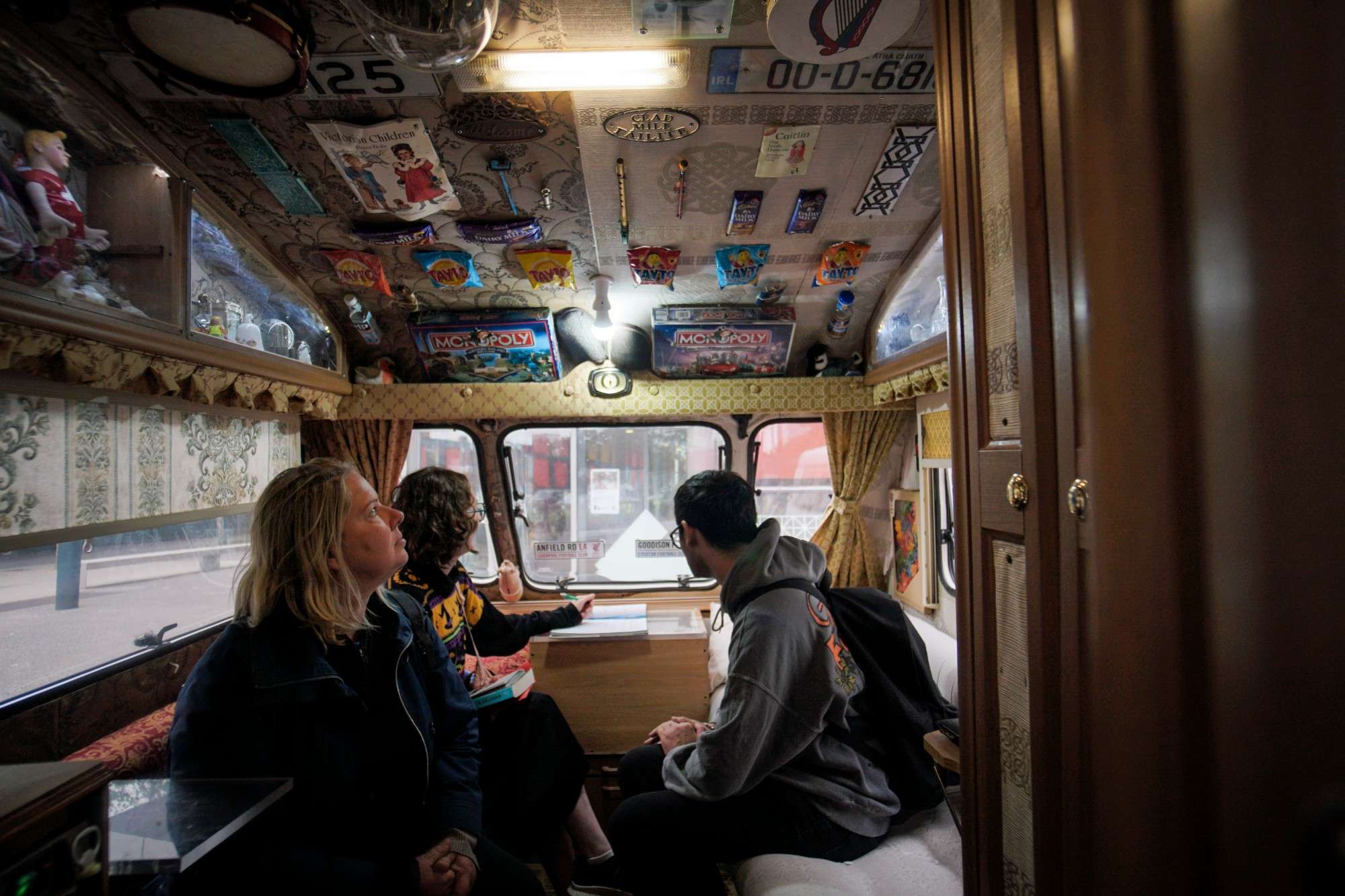
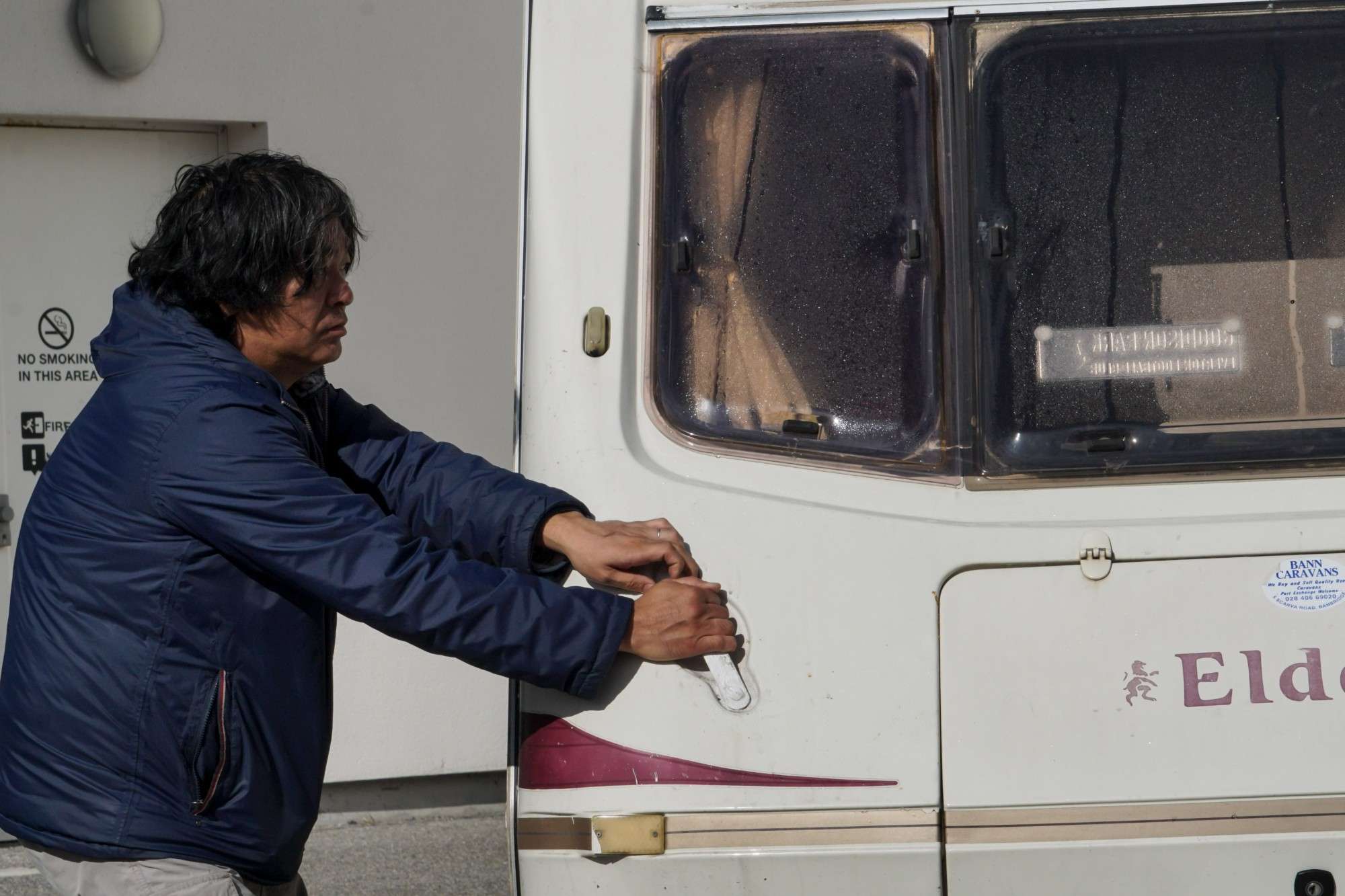
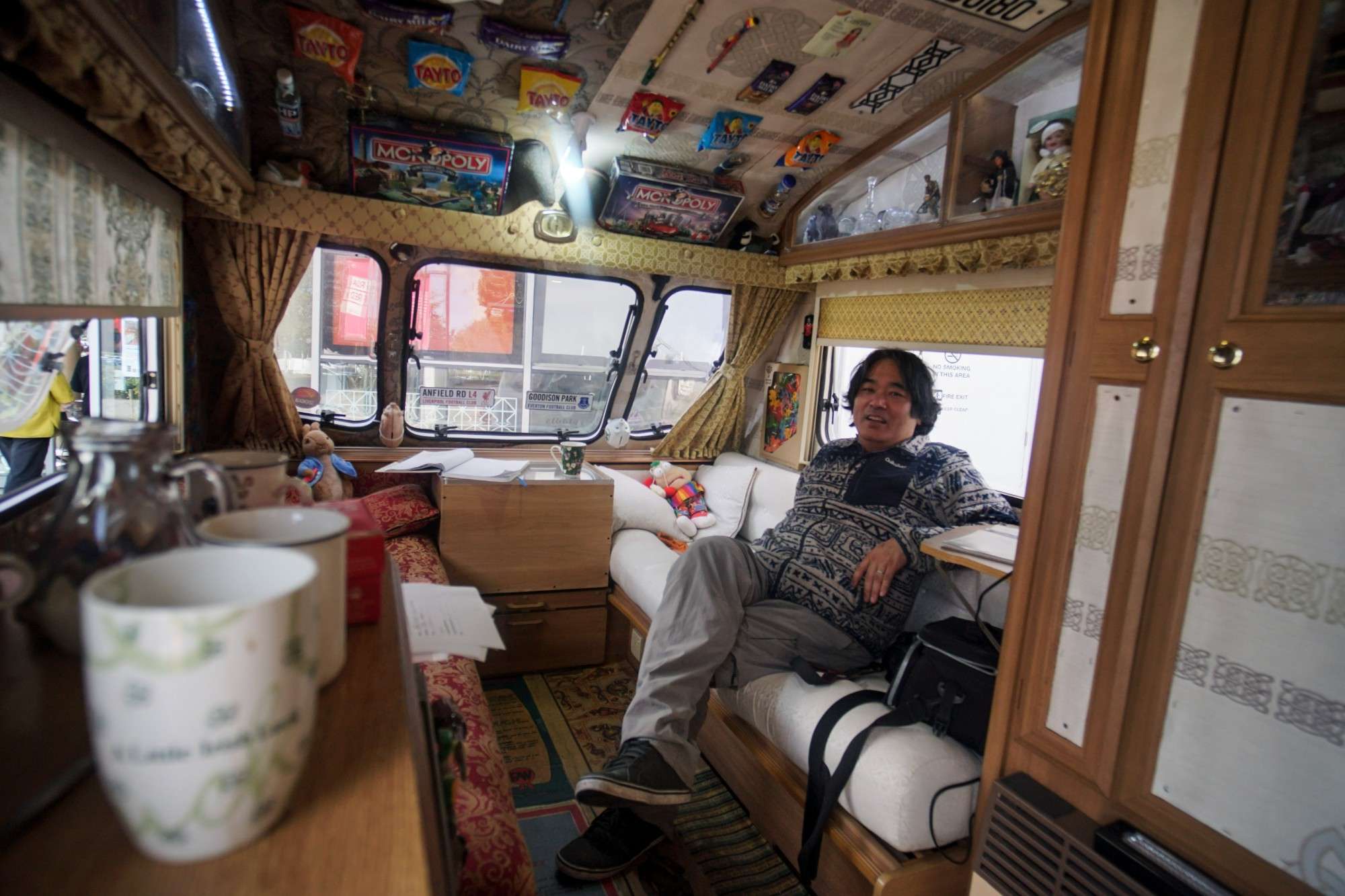
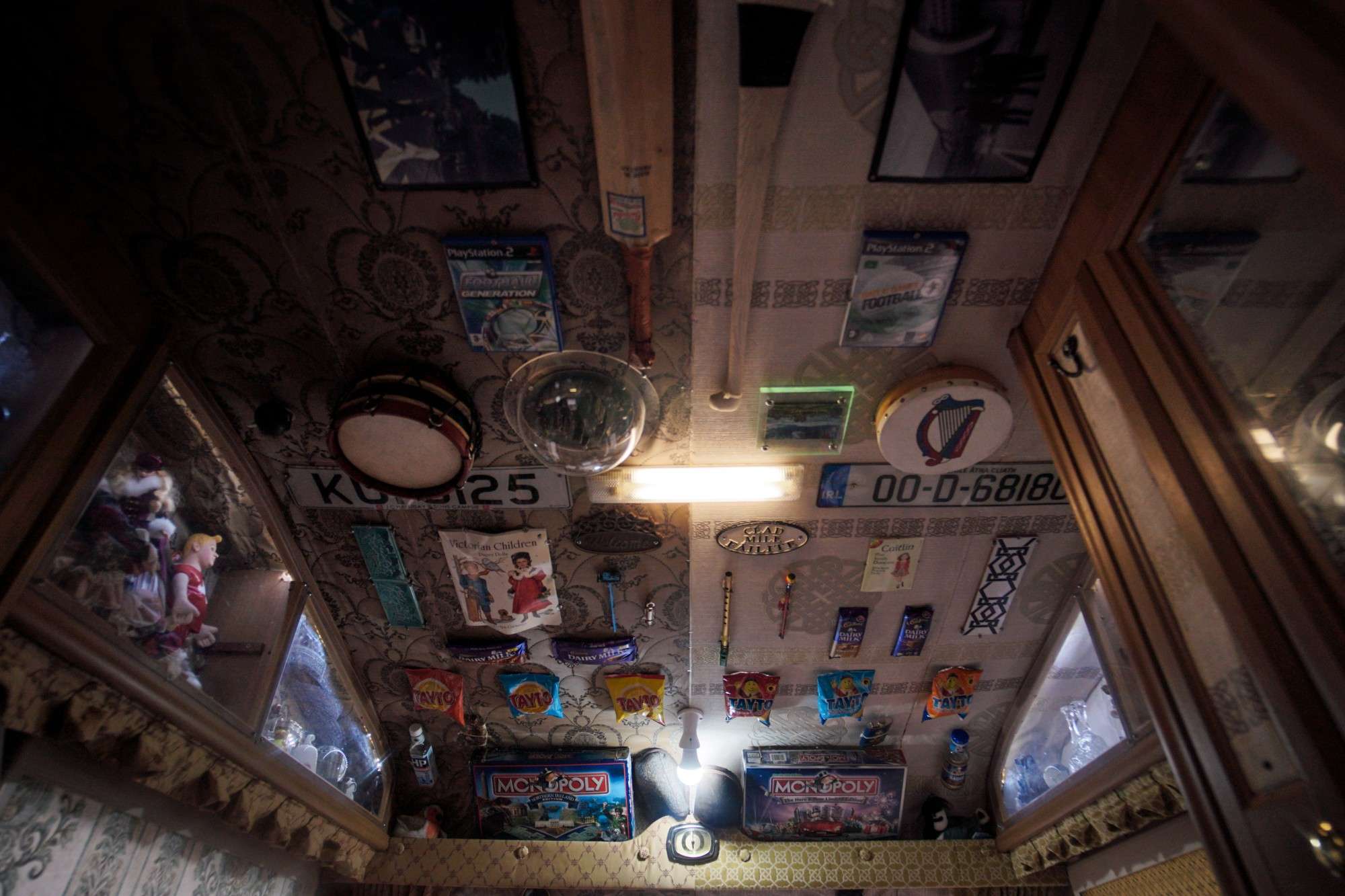
- As a Japanese artist based in Belfast, Northern Ireland, Masuyama has converted the interior of a caravan into two parts: one half related to Irish culture and the other half to British culture. Many of the items, symmetrically displayed on their respective sides, have counterparts in both cultures. Since relocating to Belfast in 2010, Masuyama has often grappled with the nuances of what separates Irish and British identity within the region’s complex society. This project has become a way of learning and exploring those cultural subtleties through conversations with people who step inside the caravan. The work is continually evolving, as the artist adds new objects, refines the display, and adapts it in response to dialogue. Approaching the project from an outsider’s perspective, neither religious nor politically aligned, Masuyama brings a sense of neutrality to the inquiry. While the caravan can be difficult to entice people into, given its association with private space, those who do enter are invariably intrigued. Visitors often begin reflecting on Irish and British culture, wider society, and their own personal histories.
Keep Fit Tallaght: The Middle Way by Rachel Macmanus
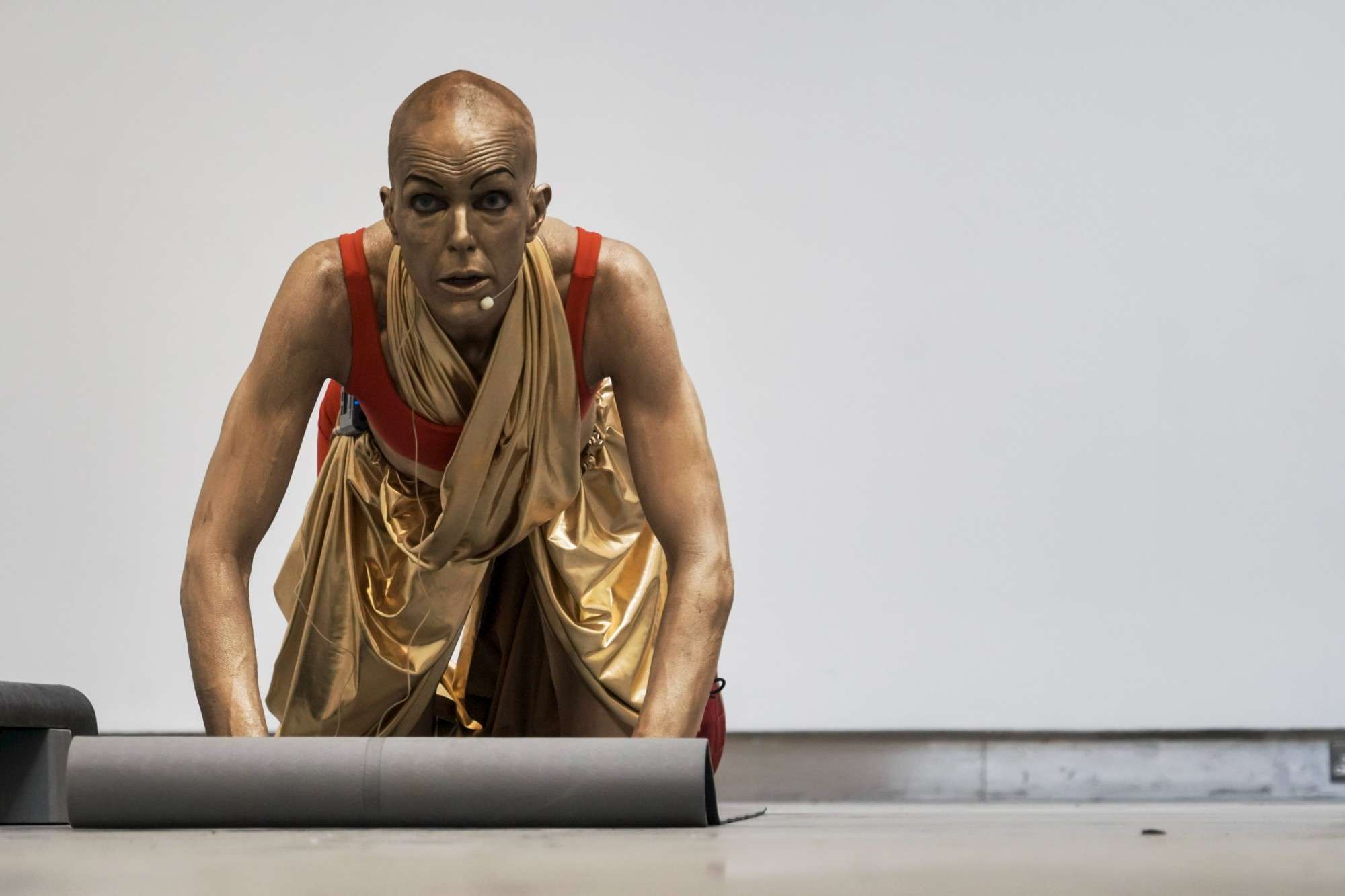
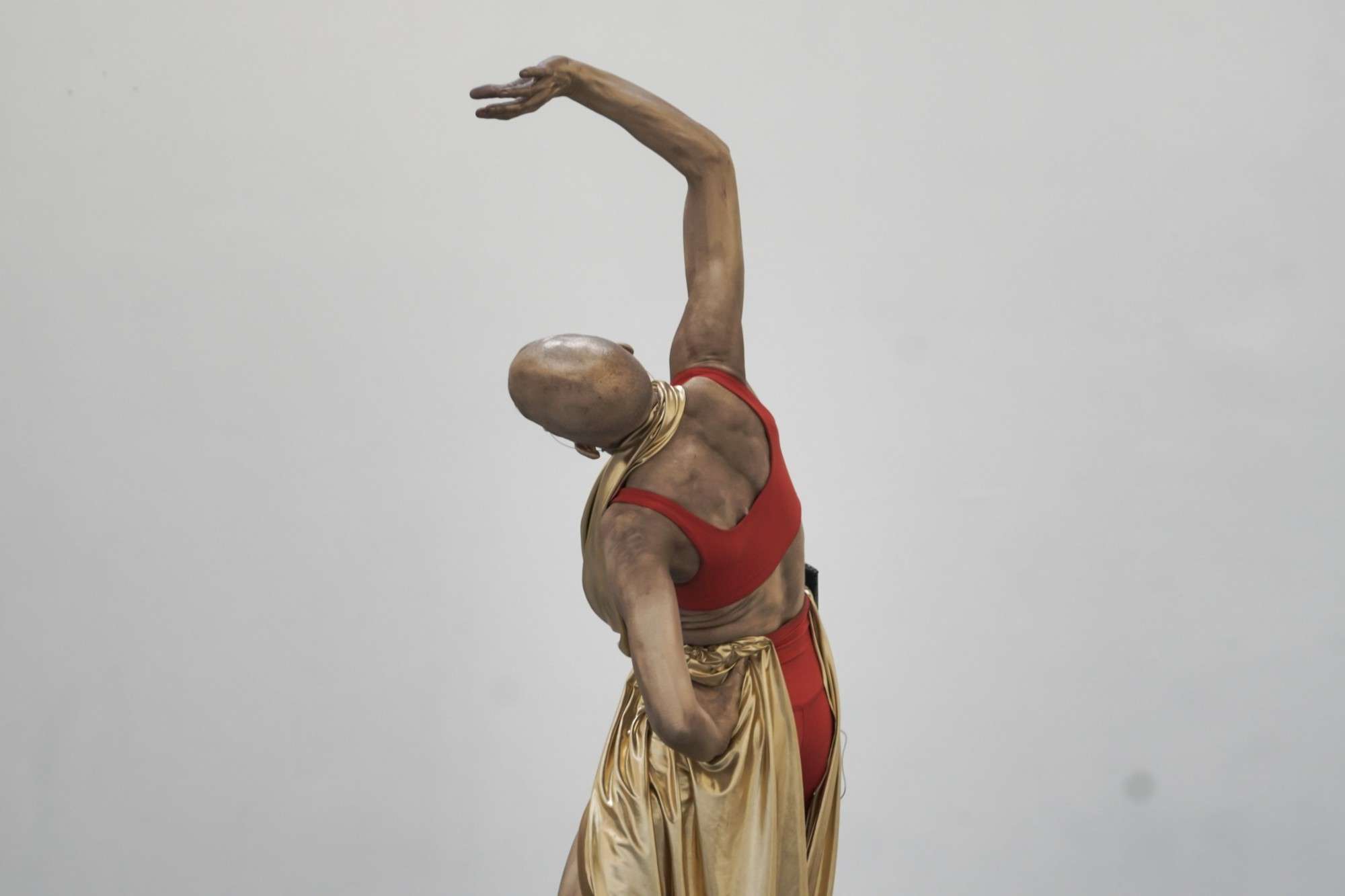
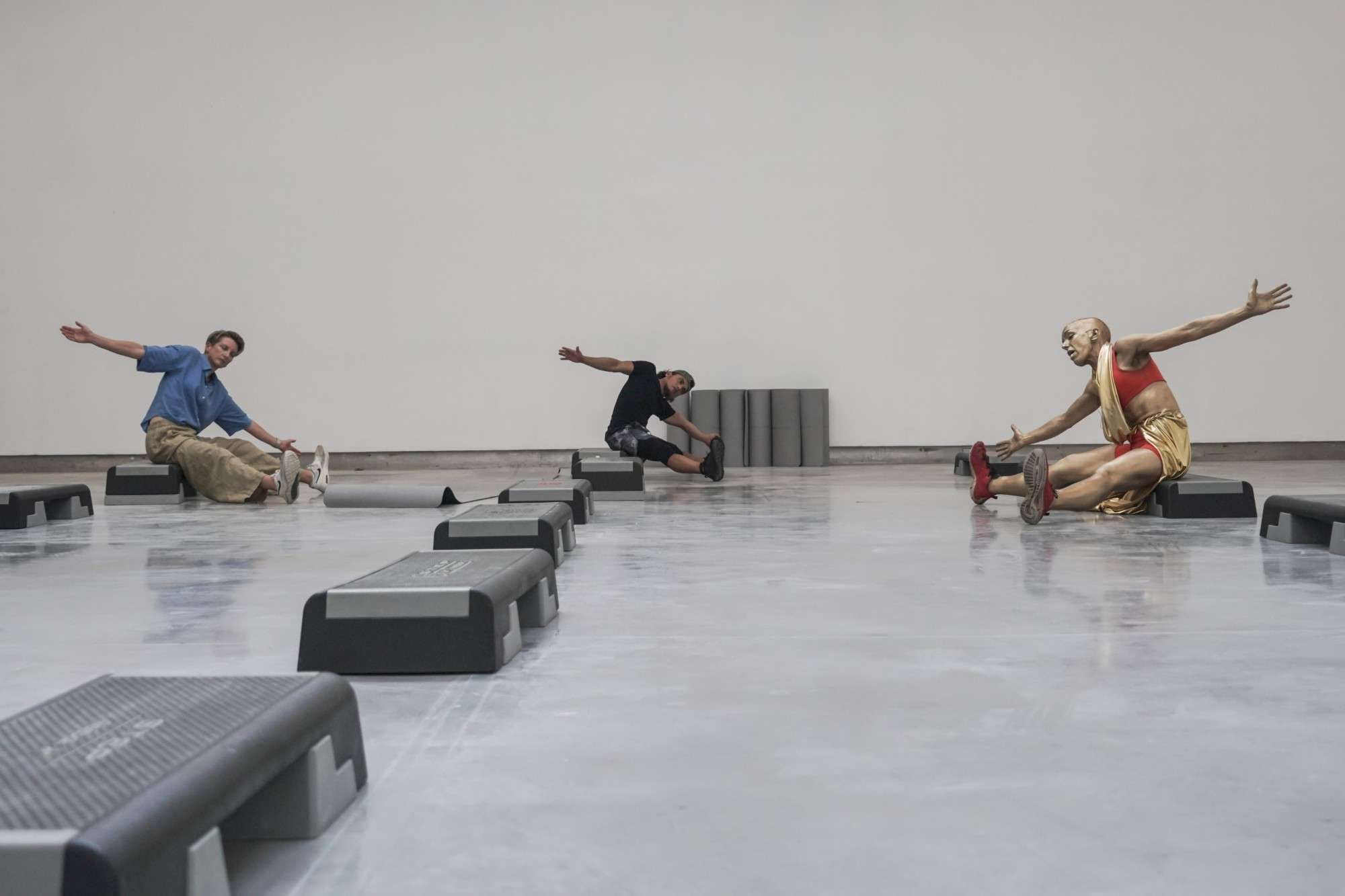
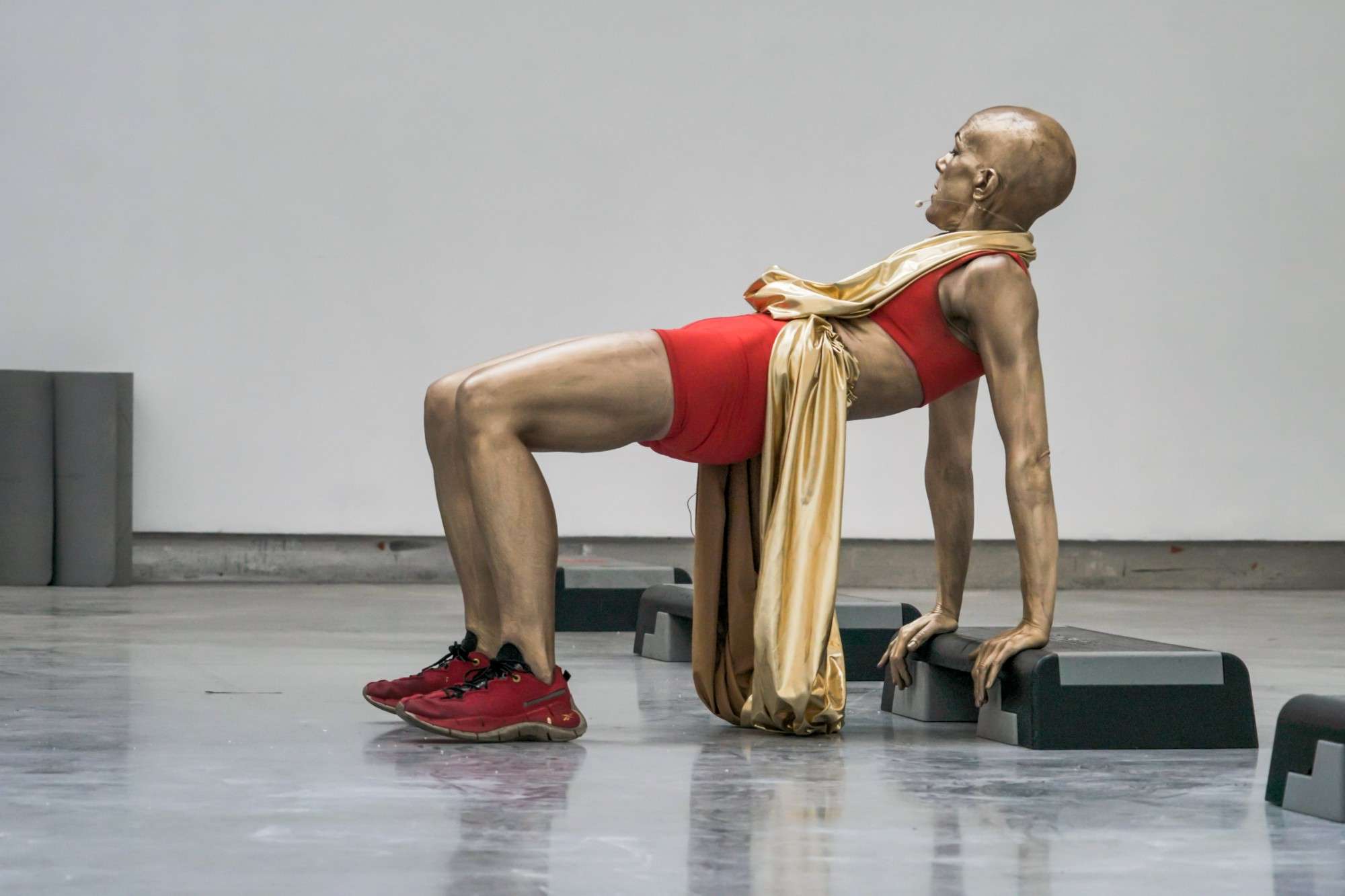
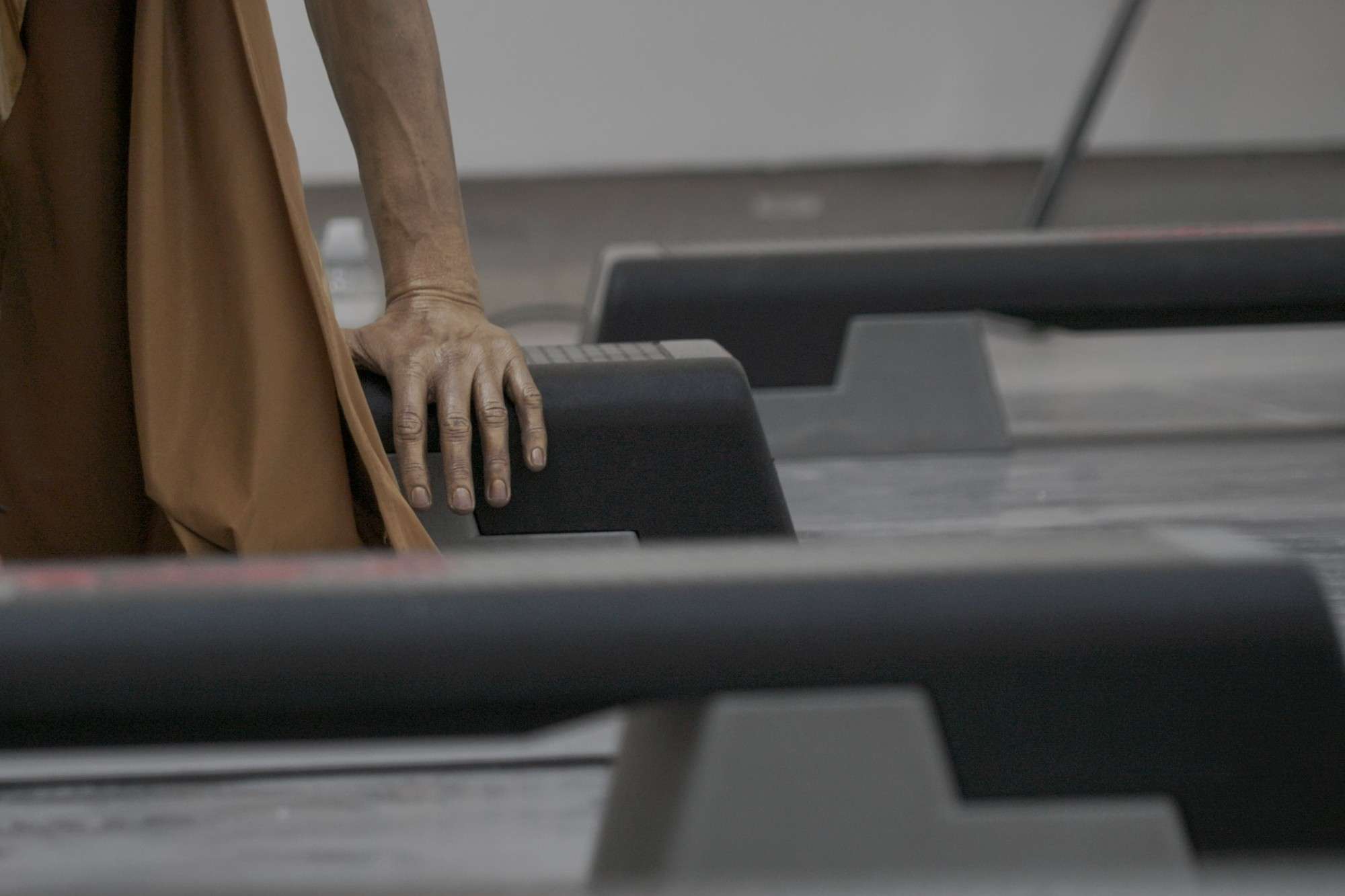
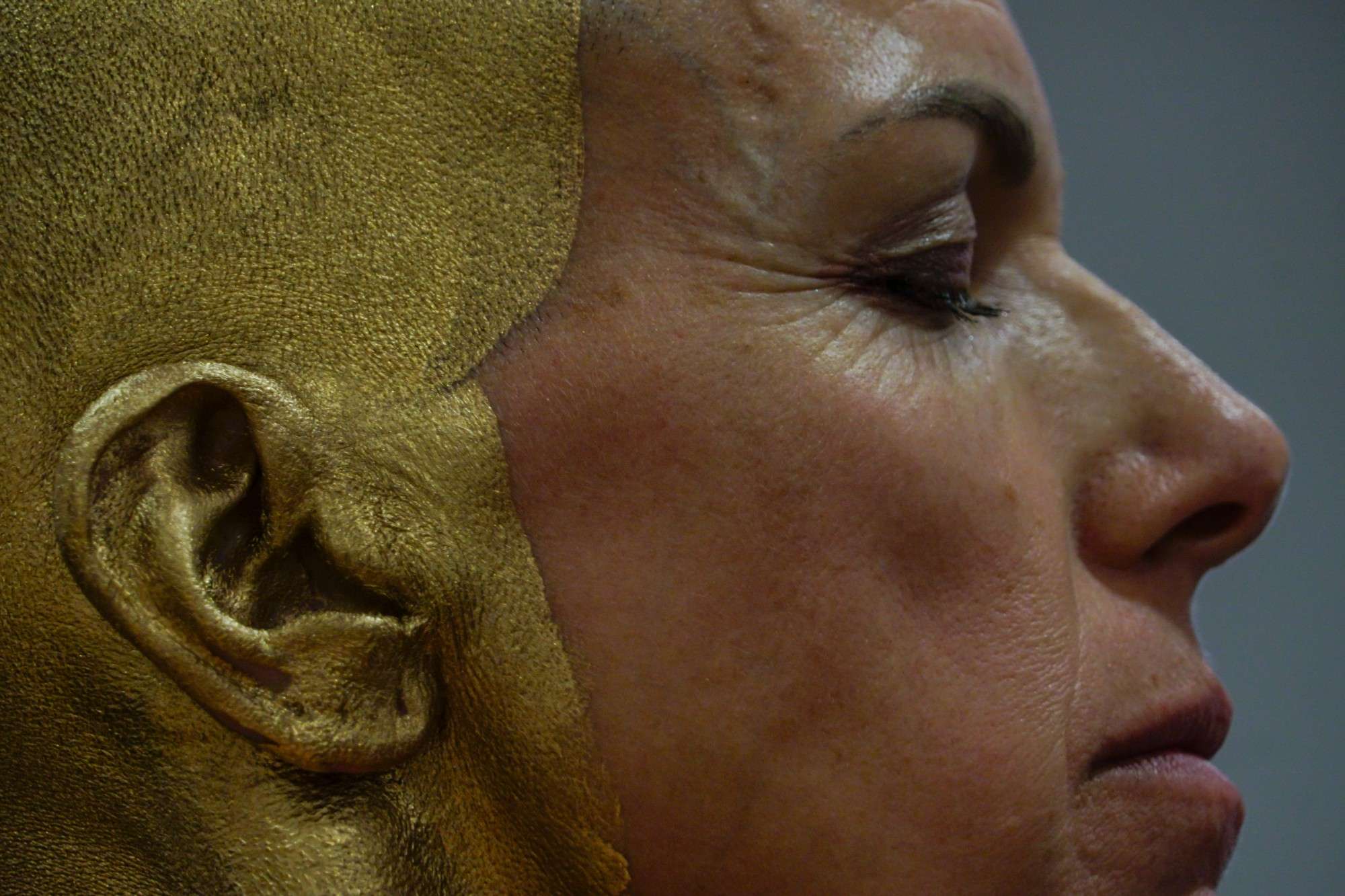
- Nowadays, exercise has become a marketed, commercialised commodity. Fitness and weight loss are equated to being good, and the lack of being perceived as bad. Trying to find a middle ground is not always easy for people, and in Ireland, we struggle with high obesity levels. According to Buddhist tradition, the Buddha taught a Middle Way between sensual indulgence and severe asceticism, leading to freedom from ignorance, craving, rebirth and suffering. In Keep Fit Tallaght, exercise is neither a punishment nor a panacea. The Buddha as exercise instructor teaches a middle way between ultra marathons and staying on the couch. Our fitness class will be a community experience, a joyous spectacle, a middle way where your instructor invites you to consider: who do we worship and what brings us joy? What is valuable to us?
Dis/embodiment of Wholeness by Tara Carroll
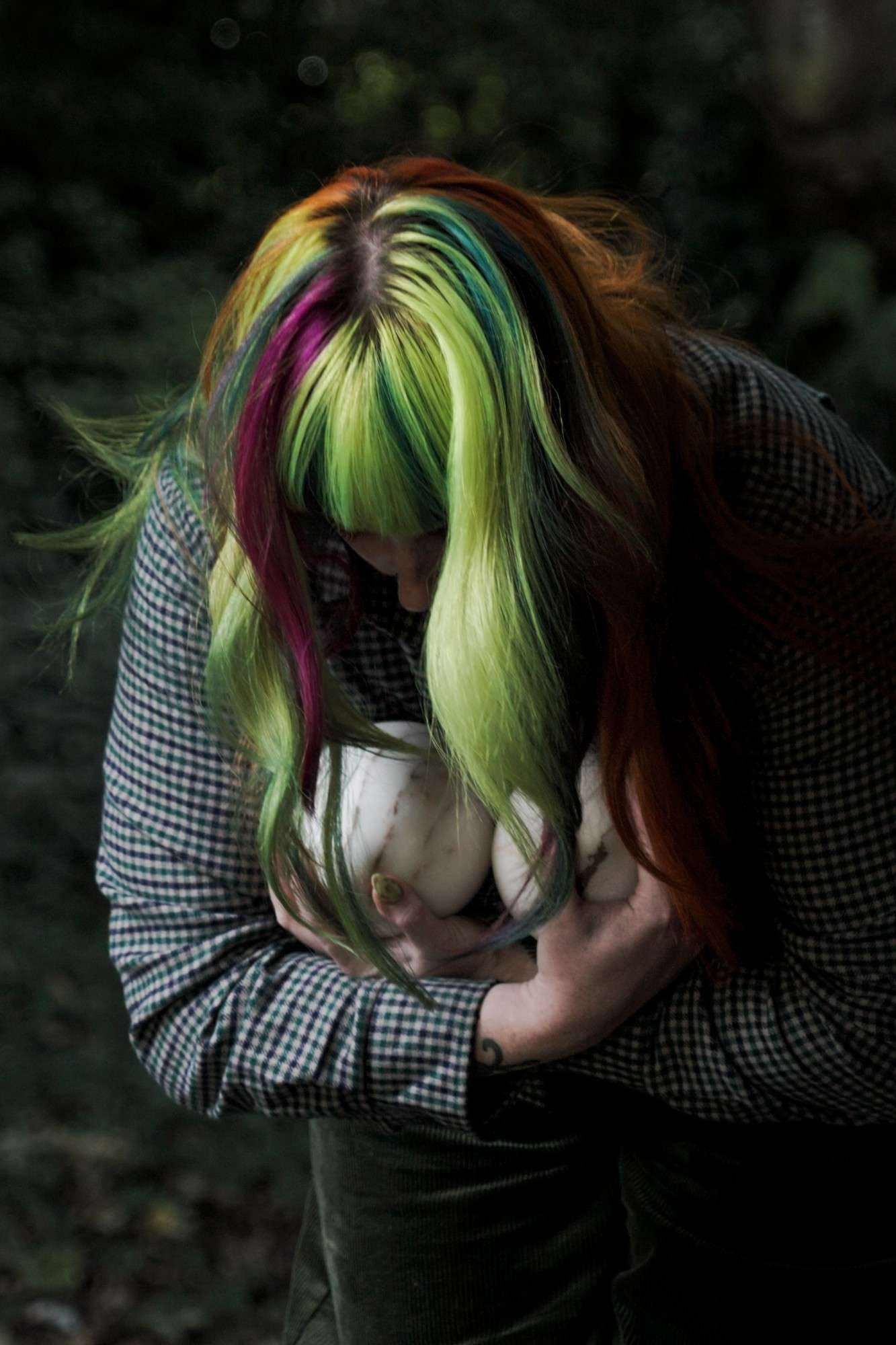
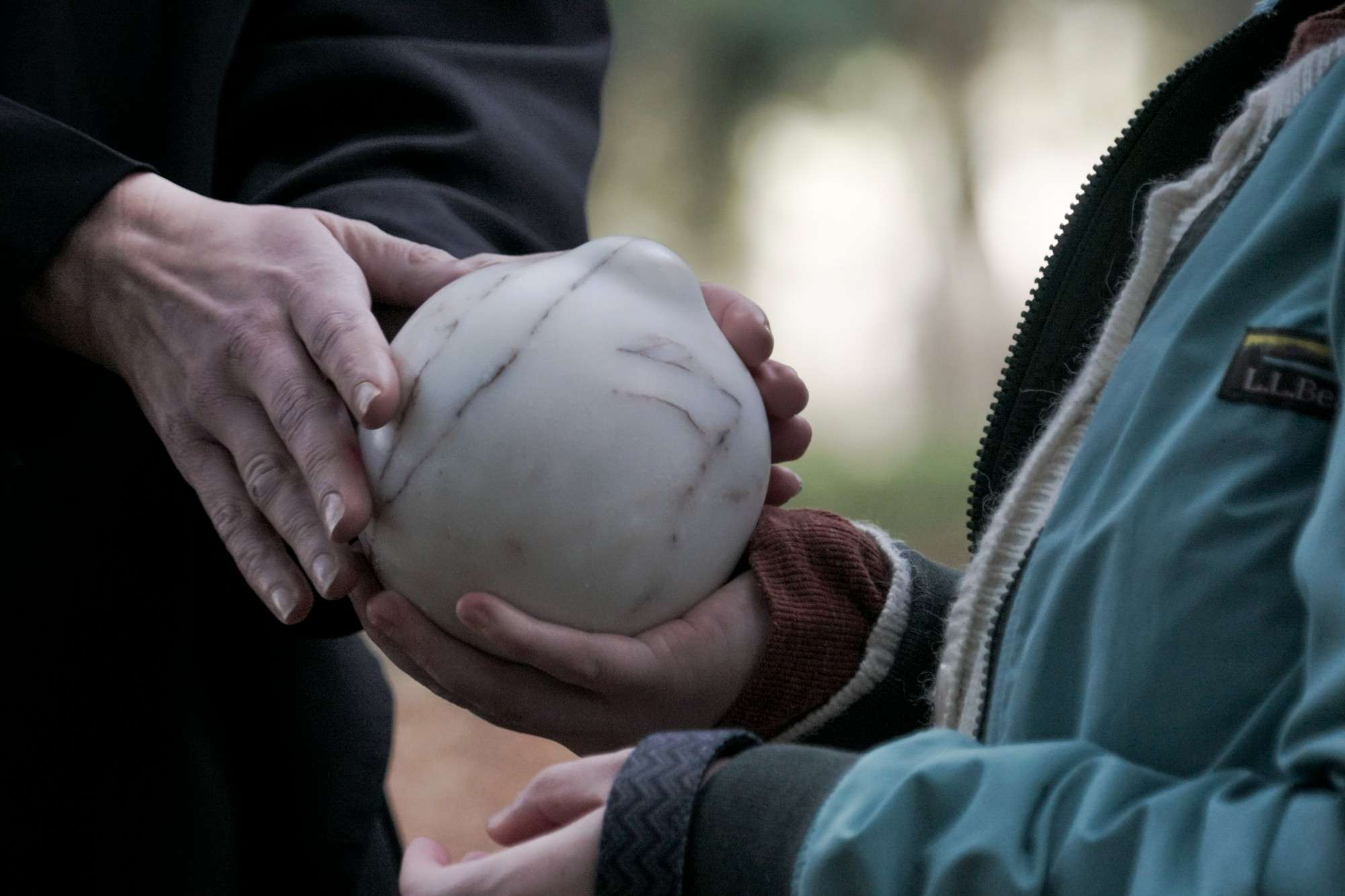
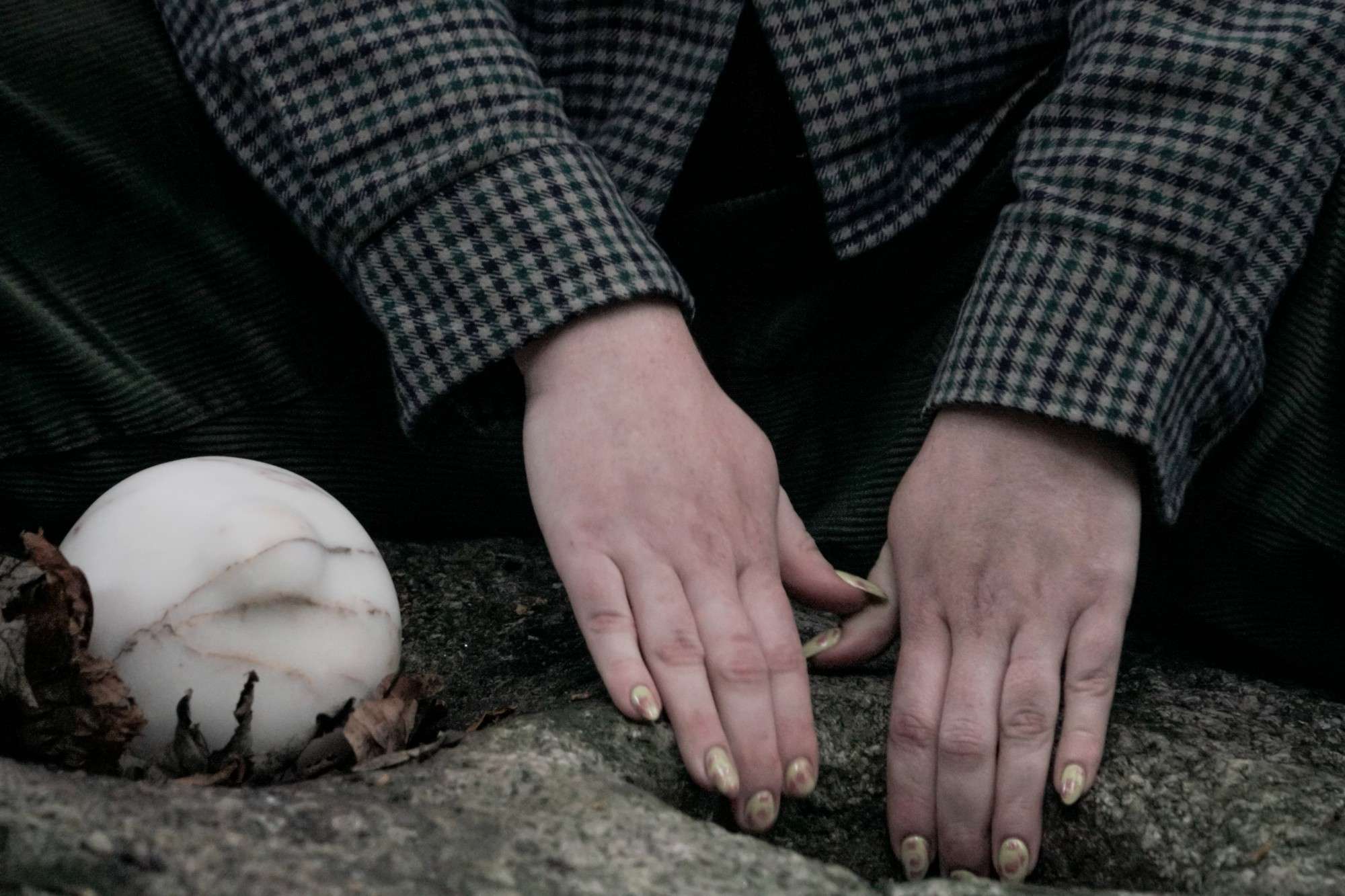
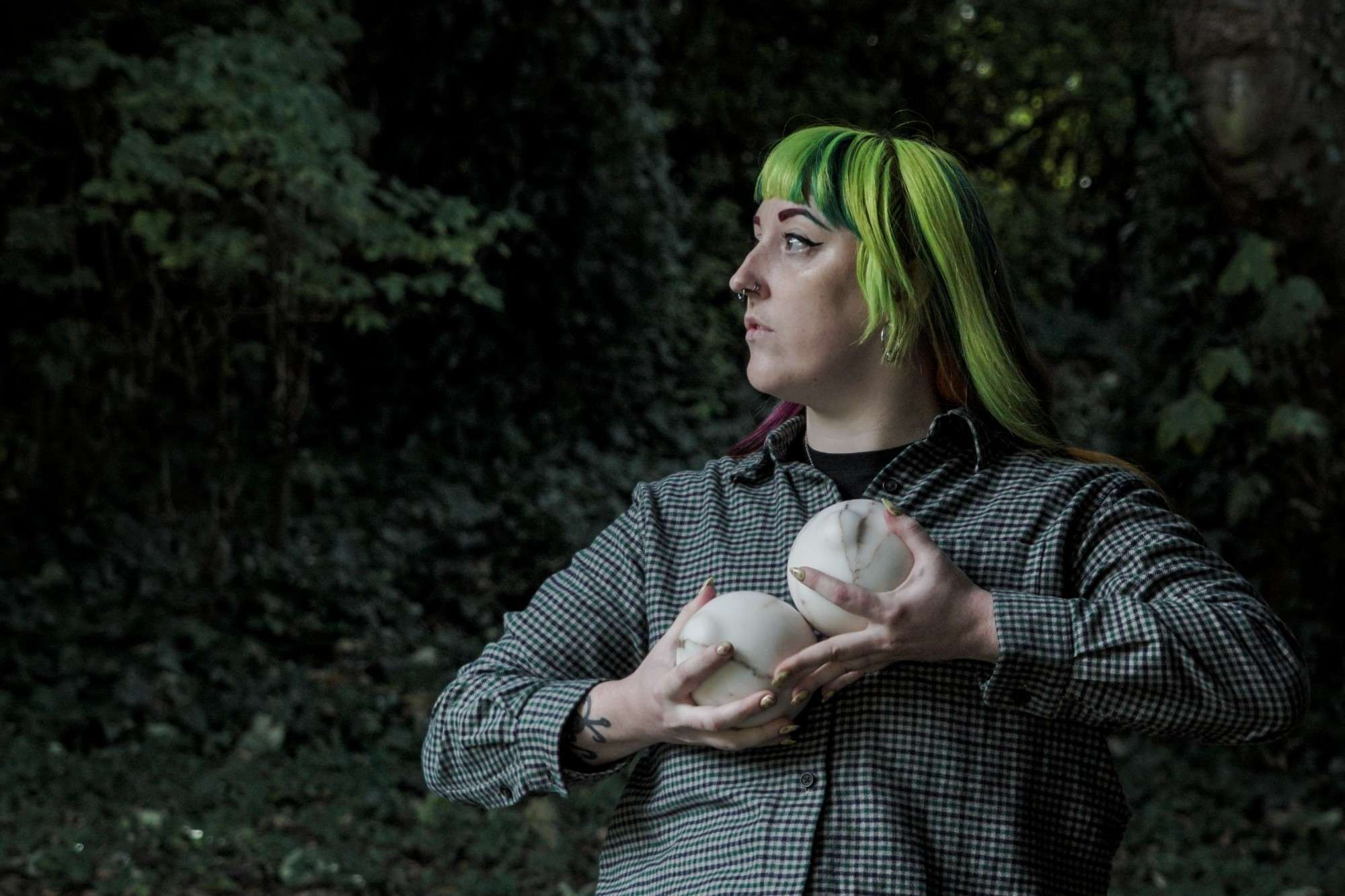
- The performance explores the ways that sacred, disability and transgender embodiment(s) are all structured by reference to notions of wholeness, perfection and cure. The social order dreams of a cure for both disabled bodies and trans bodies. Their existence challenges the notions of completeness and transcends bodily possibilities.
The performance will take place at the bulán stones in St.Mary’s Priory Garden. Bulán stones are said to be where saintly bodies have touched or rested on. The disembodiment of a sacred body on their journey to sainthood offers completeness, either through the reunion of parts into a whole or through the assertion of a part to become whole. The saintly body is produced by and shared among a community.
The performance challenges the fixed senses of community, instead creating asynchronous communities through ripples, touches and interflows. It pivots on the transference of touch; we are in community with others we might never meet.